Category: Article

  • What Makes a Bali Resort 5-Star? A Practical Guide

    What Makes a Bali Resort 5-Star? A Practical Guide

    A Bali 5-star resort offers complete facilities, including spas, multiple dining options, swimming pools, concierge services, and private accommodations such as pool villas. Additional amenities, such as wellness centers, personalized butler services, and fine dining restaurants, provide guests with a comfortable stay and high standards of service.

    To qualify as a 5-star resort, a property typically offers strict hospitality standards, including consistent service quality, 24-hour concierge assistance, and well-maintained private facilities such as plunge pools or ocean view suites. Travelers can find these luxury resorts in Bali’s popular destinations, including the cliffs of Uluwatu, the beaches of Nusa Dua, and the peaceful jungle valleys of Ubud.

    What Does “5-Star” Actually Mean for a Resort?
    5-Star resort

    In general, 5-star resorts stand out for personalized service, complete facilities, and attention to detail. Whether you choose a 5-star hotel in Bali or a luxury resort, these standards are designed to provide guests with a comfortable and high-quality stay.

    In general, a 5-star resort offers the following:

    • Personalized Service: A high staff-to-guest ratio, 24-hour room service, concierge assistance, and attentive hospitality. Some luxury resorts also provide butler service to assist guests with their personal needs throughout their stay.
    • Complete Resort Facilities: Guests can enjoy various five-star amenities, including fine dining restaurants, luxury spas, private swimming pools, and recreational activities. Beachfront resorts may also offer direct beach access, allowing guests to enjoy different experiences without leaving the property.
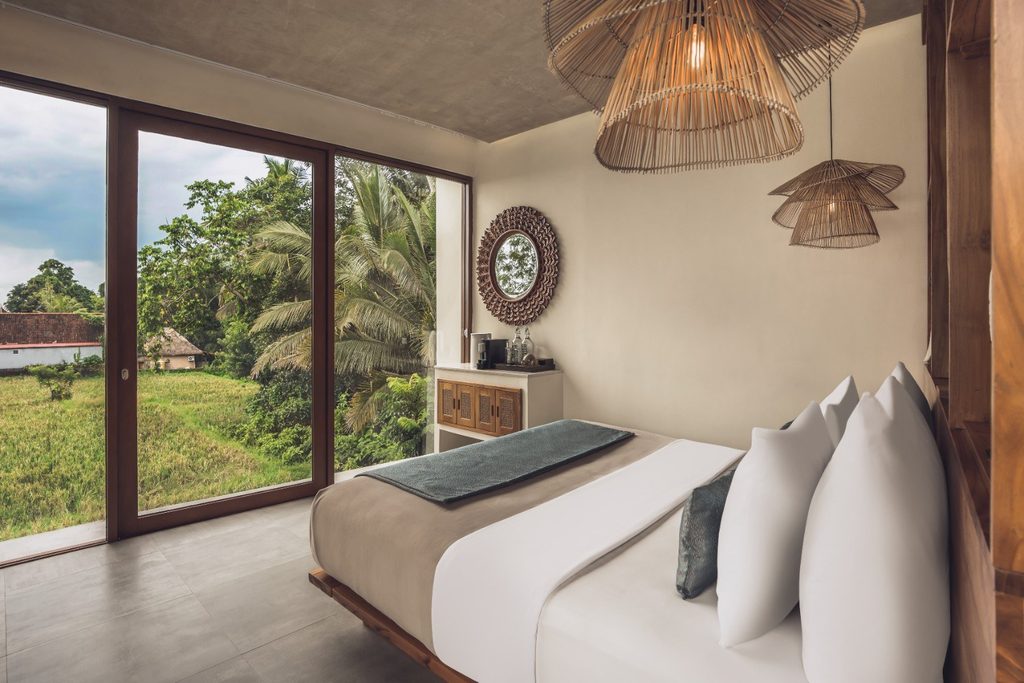
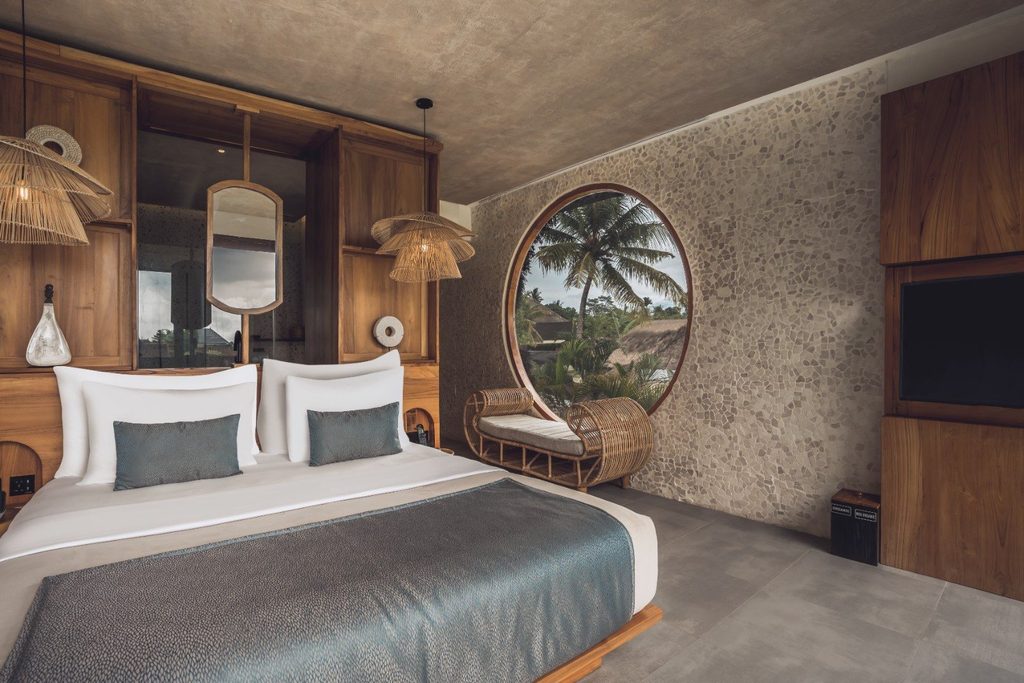
    • High-Quality Accommodation and Comfort: Rooms and villas feature premium bedding, good soundproofing, quality furnishings, and architectural designs that prioritize privacy and guest comfort.

    Overall, a 5-star rating reflects consistent service quality, comfortable accommodation, and complete facilities. However, when choosing a luxury resort in Bali, it is important to check whether the rating comes from an official certification body or is simply a claim made by the property.

    What to Expect at a True 5-Star Resort in Bali
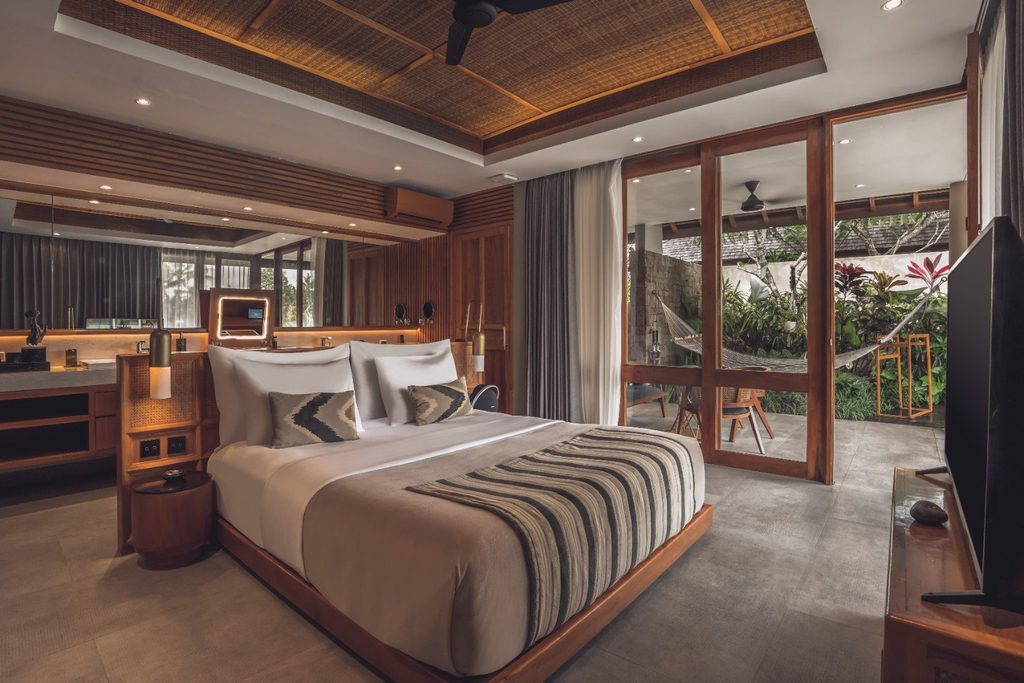
    True 5-Star Resort in Bali

    Staying at a 5-star resort in Bali offers a different experience compared to luxury hotels in major cities. The focus is on privacy, natural surroundings, and traditional Balinese hospitality inspired by Tri Hita Karana, a philosophy of harmony between people, nature, and spirituality. Combined with international hospitality standards, these elements create a comfortable and personalized luxury experience.

    Amenities

    Many of the best hotels in Bali offer complete facilities, allowing guests to enjoy dining, wellness activities, and recreation without leaving the property.

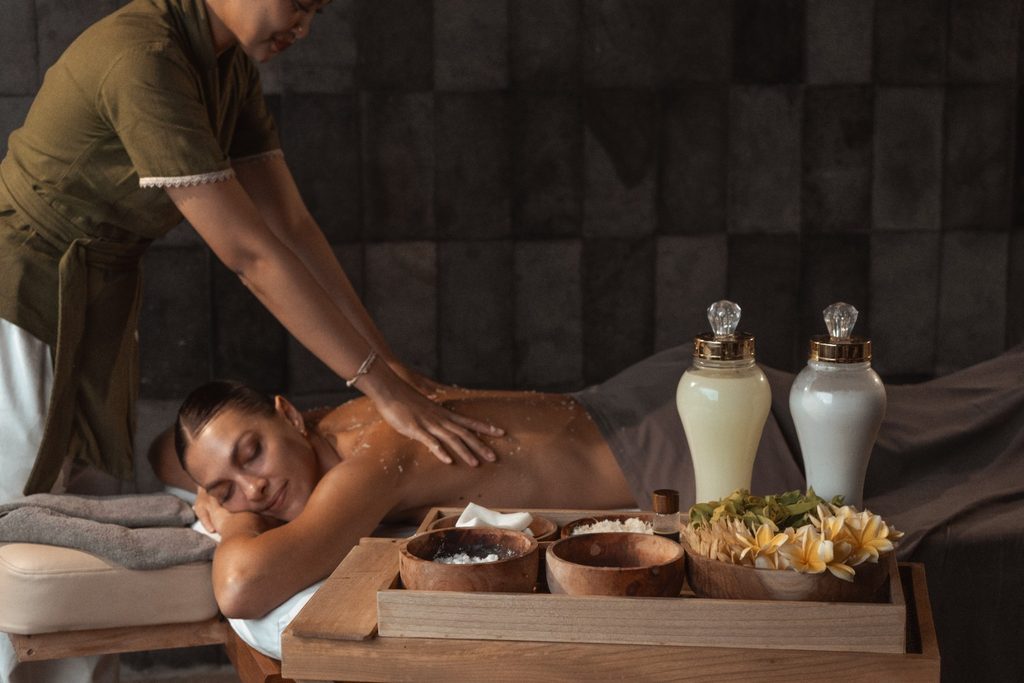
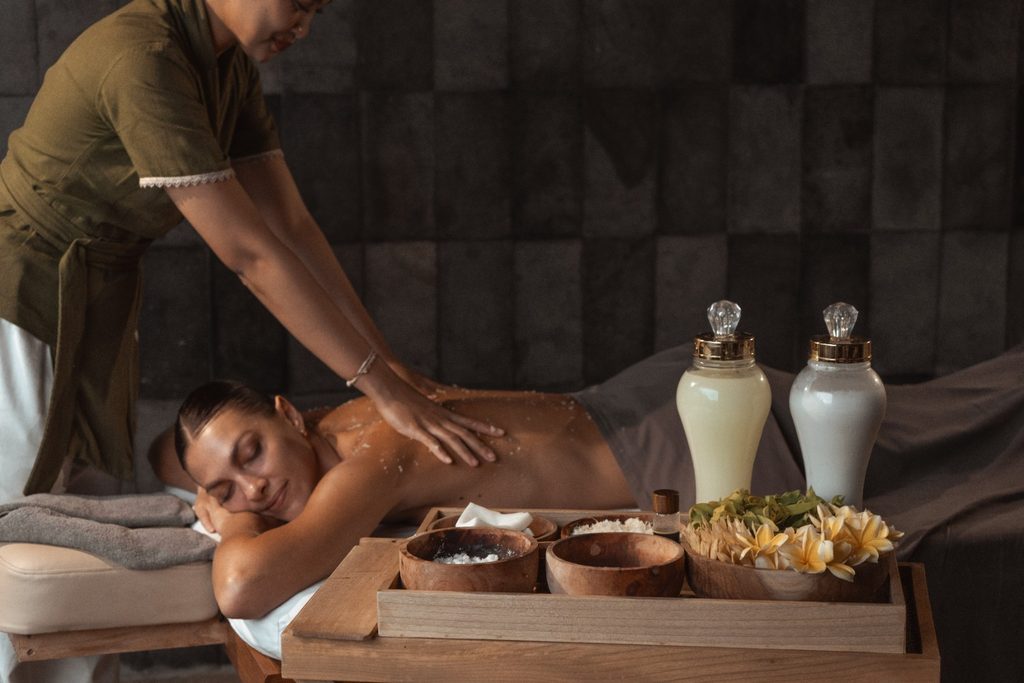
    • Wellness and Spa: A full-service spa typically offers traditional Balinese massages, hydrotherapy treatments, saunas, steam rooms, and professional therapists. Some resorts also provide complimentary morning yoga sessions, making them suitable for travelers seeking luxury wellness in Bali.
    • Multiple Dining Options: Larger resorts often feature two or three dining venues, including all-day dining restaurants, fine dining experiences, and specialty restaurants serving seafood or Indonesian cuisine. Lounges and bars may also be available for casual dining and drinks.
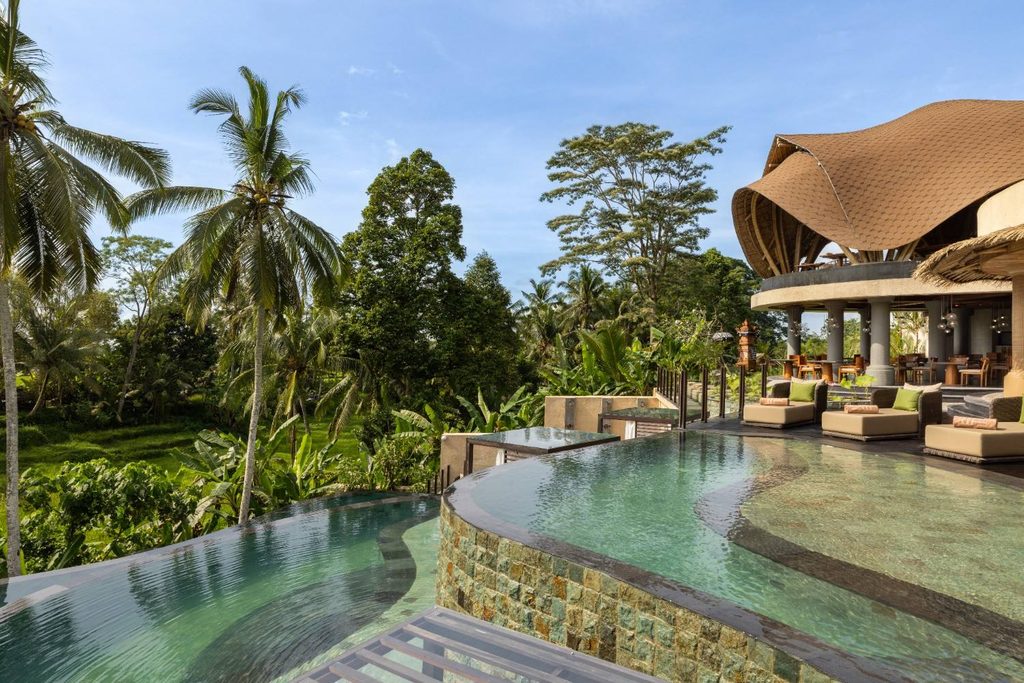
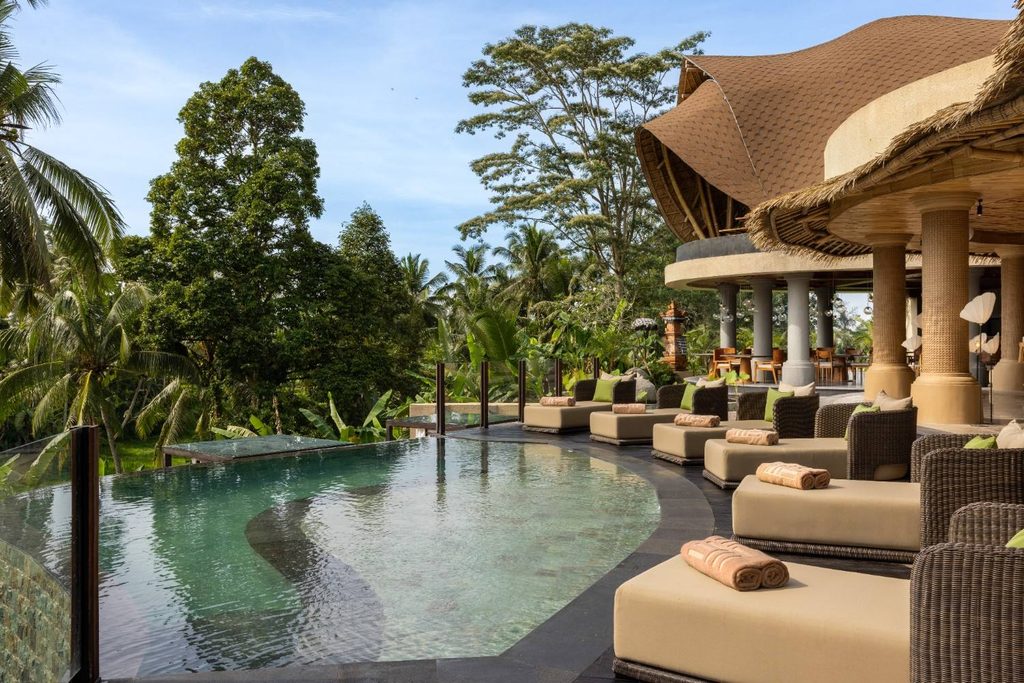
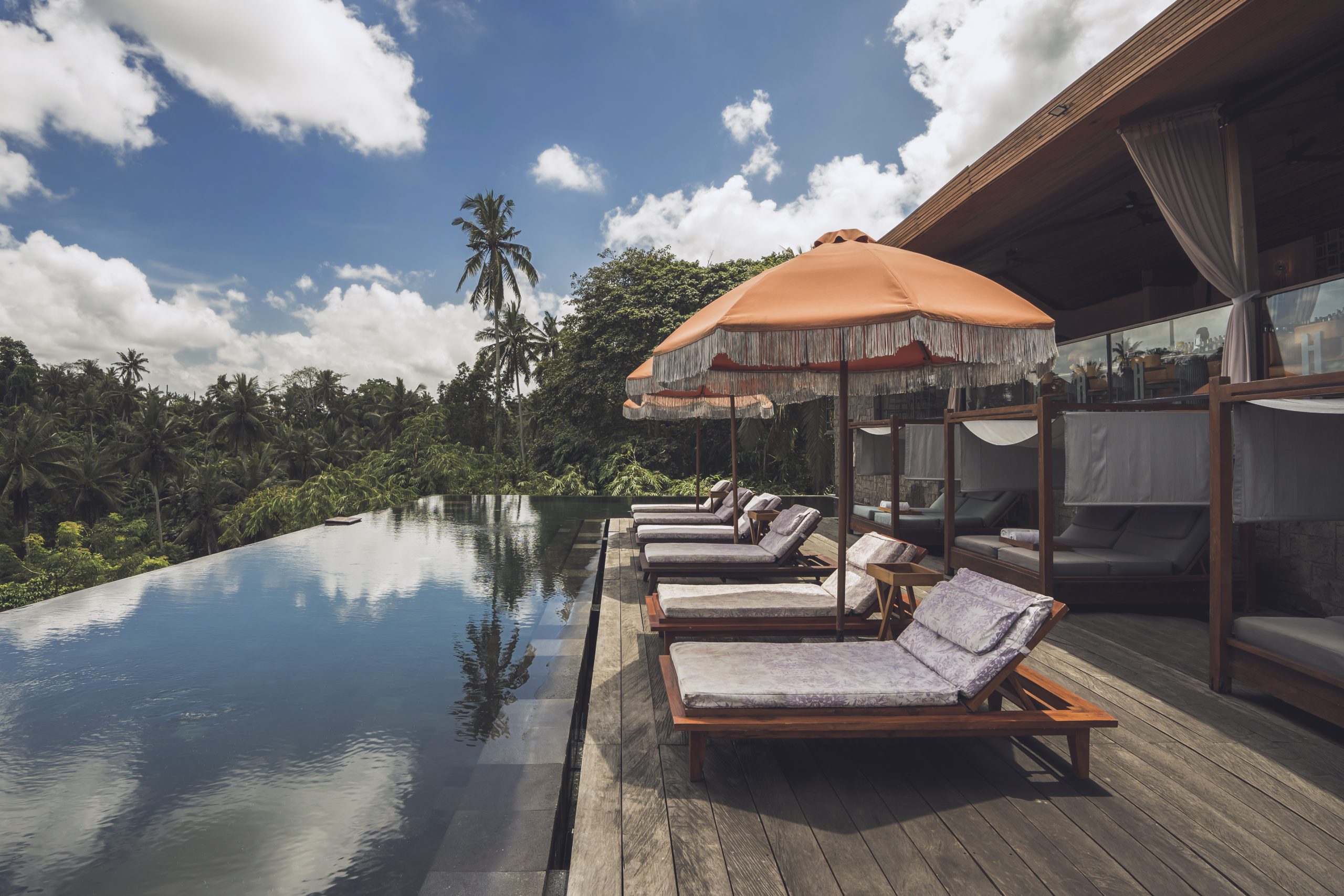
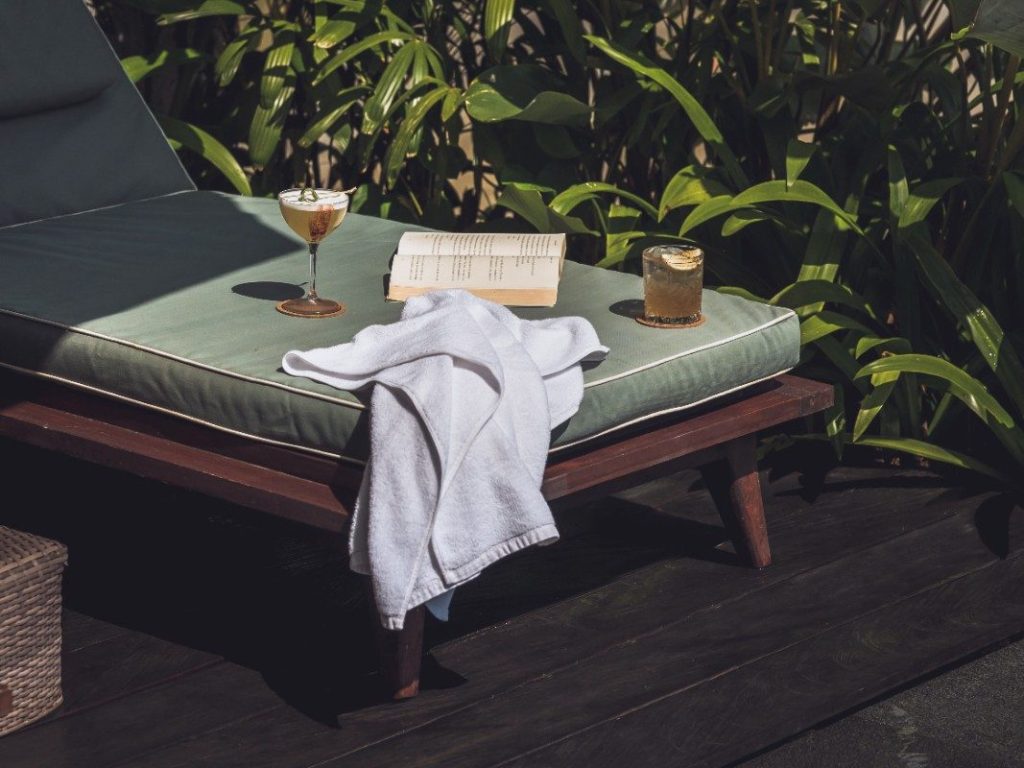
    • Main Swimming Pool: Many luxury resorts feature infinity pools overlooking the ocean, tropical forests, or green valleys. Poolside services may include food and drinks, fresh towels, and complimentary sunscreen for added comfort.

    Service Standards

    One of the main features of a 5-star resort in Bali is its personalized hospitality. Guests can expect attentive staff, professional service, and assistance throughout their stay.

    • Butler service: Some resorts offer private check-in services directly at the villa or in a dedicated lounge. Guests staying in premium villas or VIP accommodations may also receive 24-hour butler service to assist with restaurant reservations, luggage, and personal requests.
    • High Staff-to-Guest Ratio: Luxury resorts often maintain a high number of staff relative to guests, with some properties reaching ratios of 2:1 or higher. This allows staff to provide more personalized attention, remember guest preferences, and respond quickly to requests.
    • Additional Services: Other services may include evening turndown service, room preparation with aromatherapy or small refreshments, 24-hour buggy transportation around the resort, and regular housekeeping to maintain cleanliness and comfort.

    Accommodation Types

    Accommodation at 5-star resorts in Bali generally focuses on spacious rooms, comfortable facilities, and guest privacy. Depending on the property, guests can choose between private villas, luxury suites, and standard resort rooms.

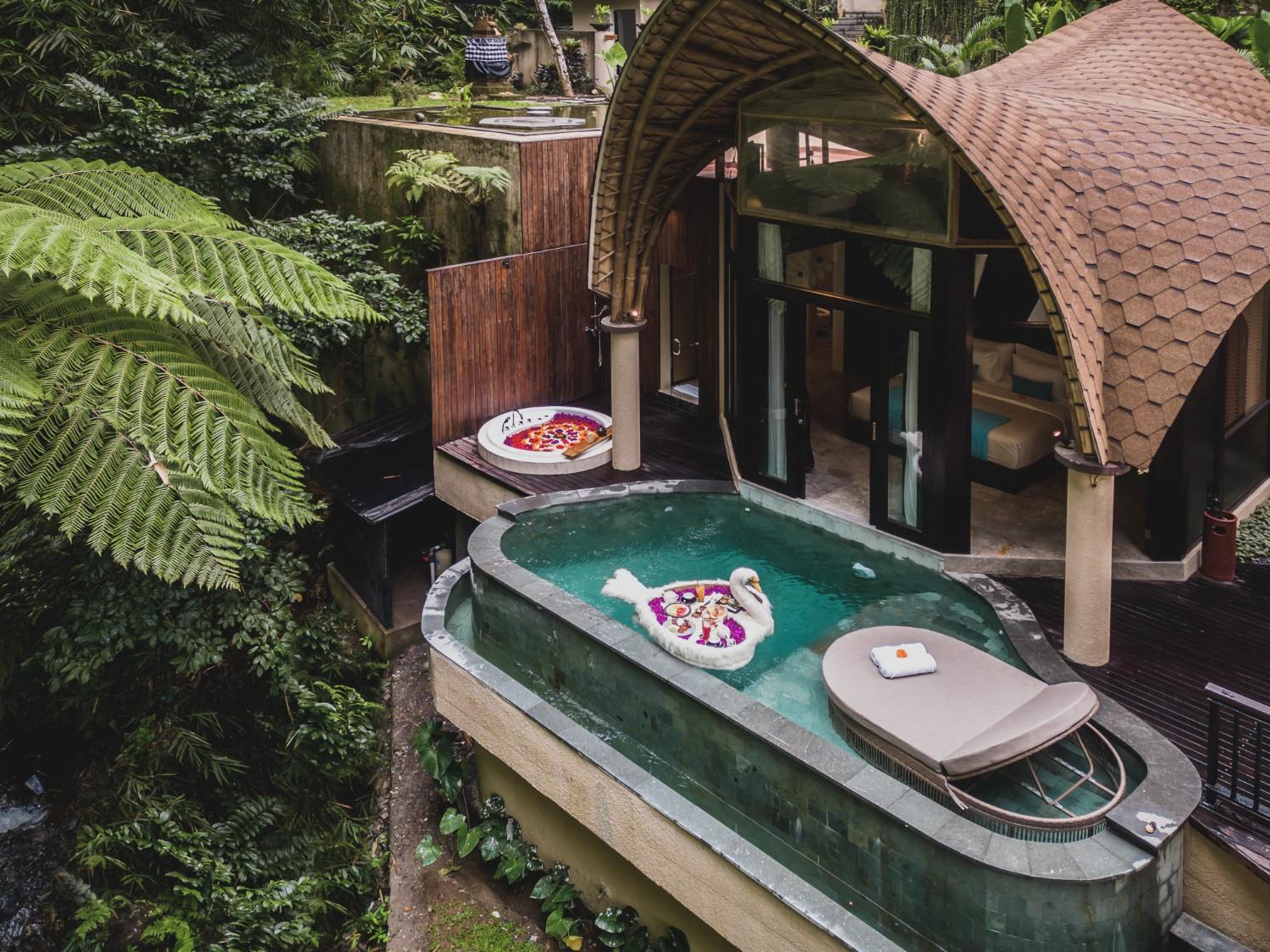
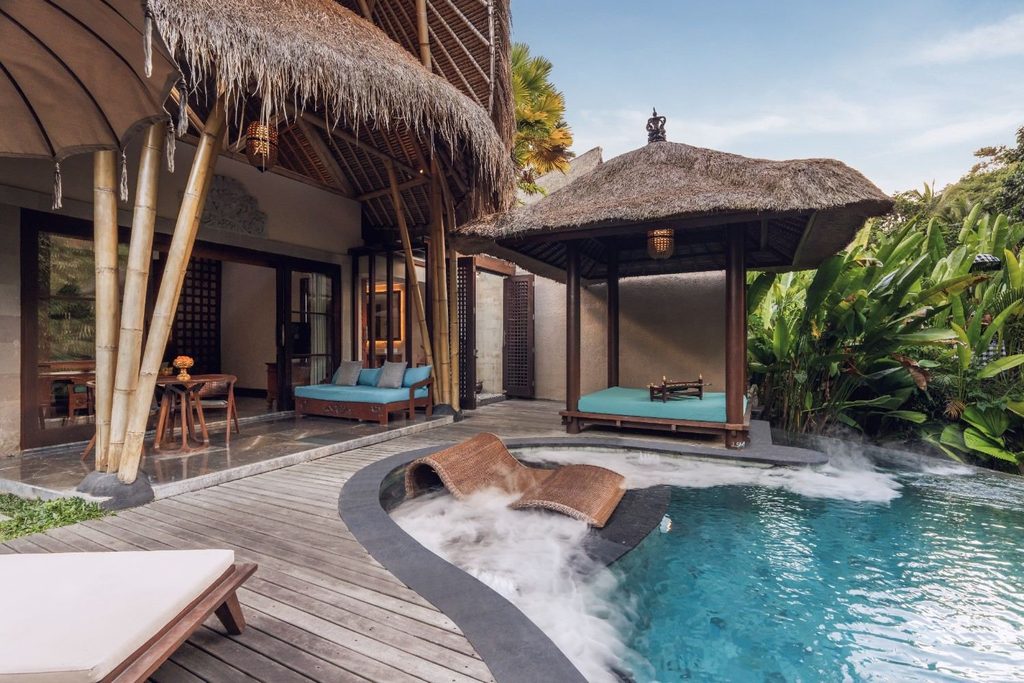
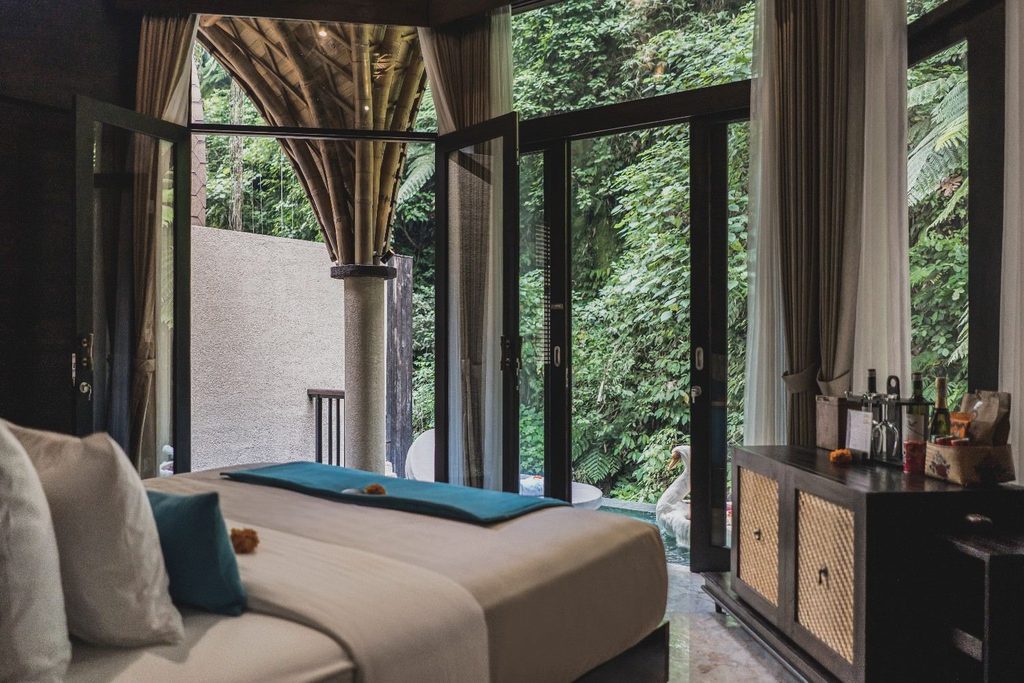
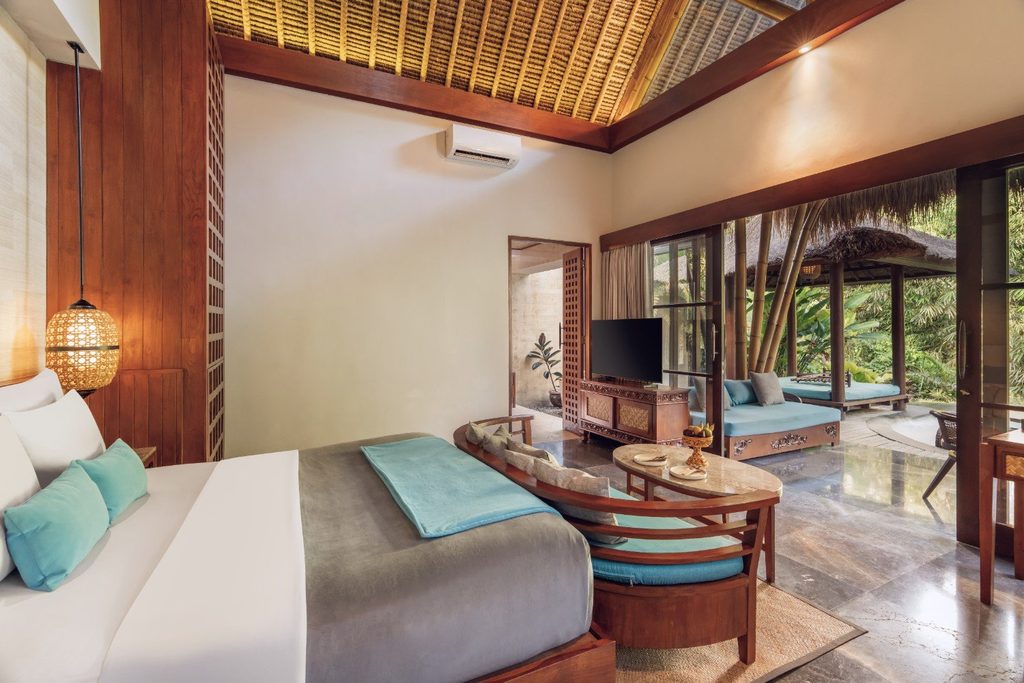
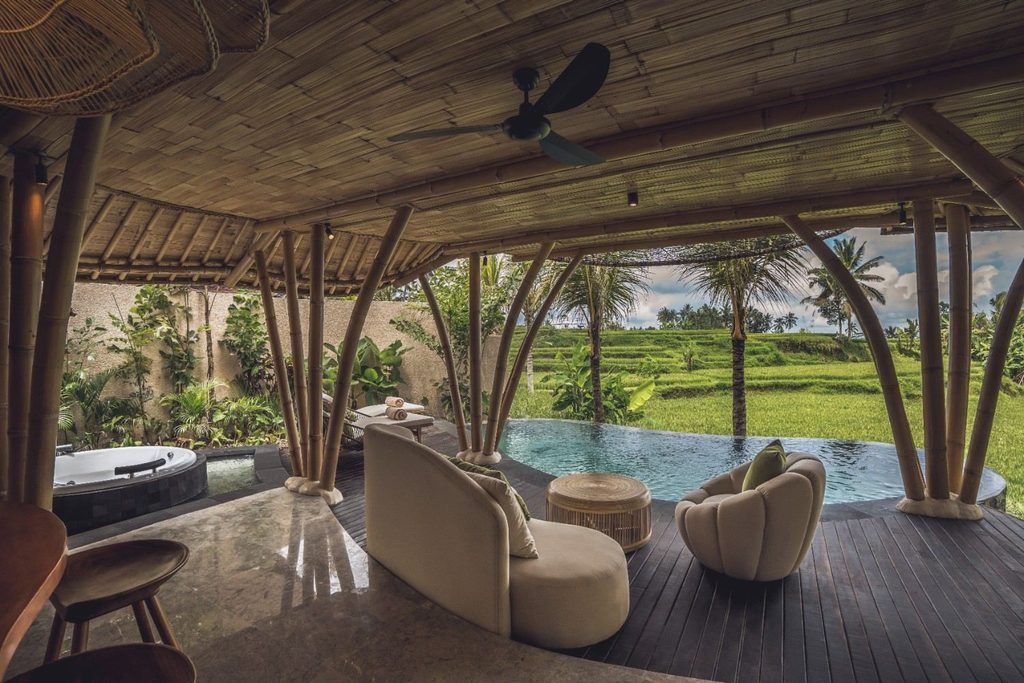
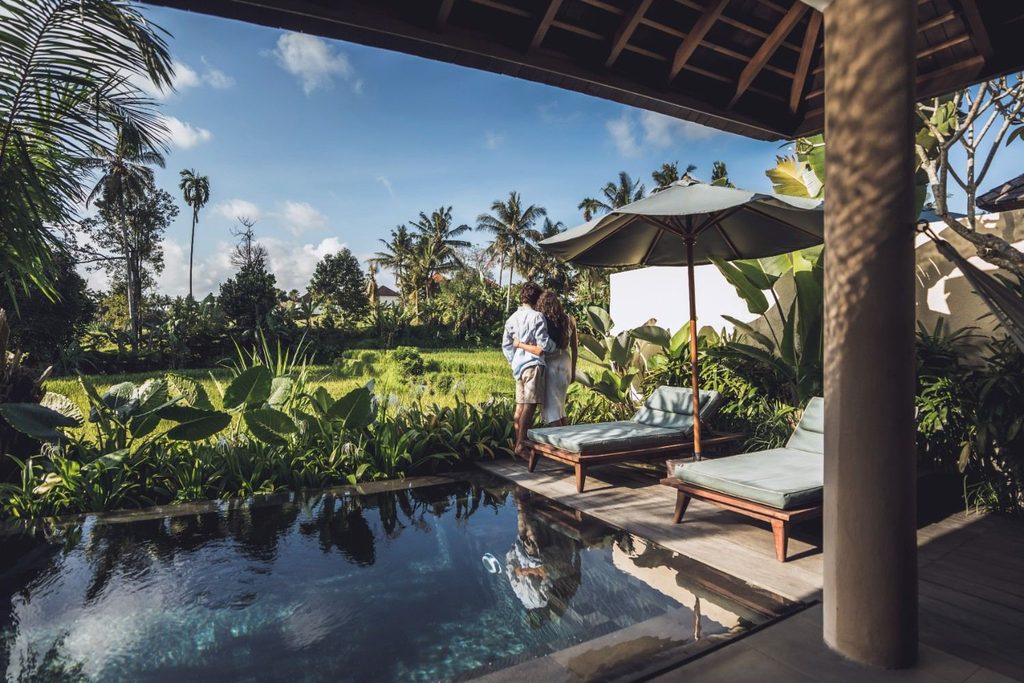
    • Private Pool Villas: A private pool villa is a popular accommodation option at luxury resorts in Bali. These villas often feature a private swimming pool, tropical garden, outdoor lounge area or traditional Balinese bale, and a sunbathing space designed to provide privacy.
    • Standard Rooms and Suites: Rooms and suites at luxury resorts are often spacious, with some offering 50 to 70 m² or more of living space. Facilities may include private balconies, daybeds, large bathrooms with freestanding bathtubs, and views of the ocean or surrounding tropical landscape.

    Best Areas in Bali for 5 Star Resorts
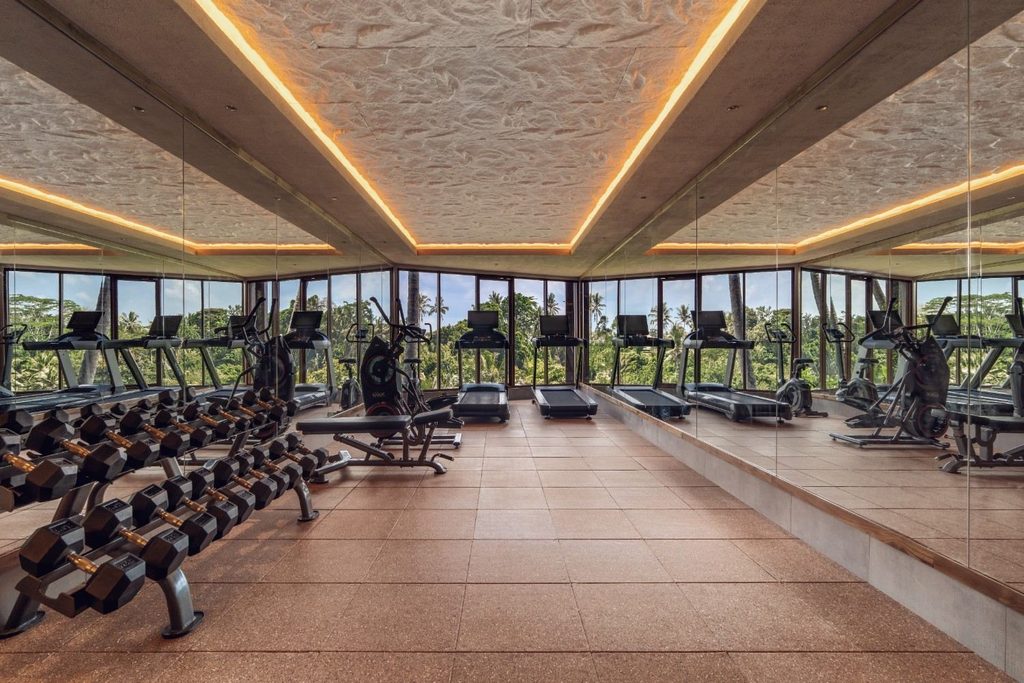
    Bali offers several destinations for luxury accommodation, with Ubud, Seminyak, Nusa Dua, and Uluwatu being among the most popular. Each area has a different atmosphere, natural setting, and resort experience, allowing travelers to choose based on their preferences.

    Ubud: Rice Terraces & Jungle Luxury

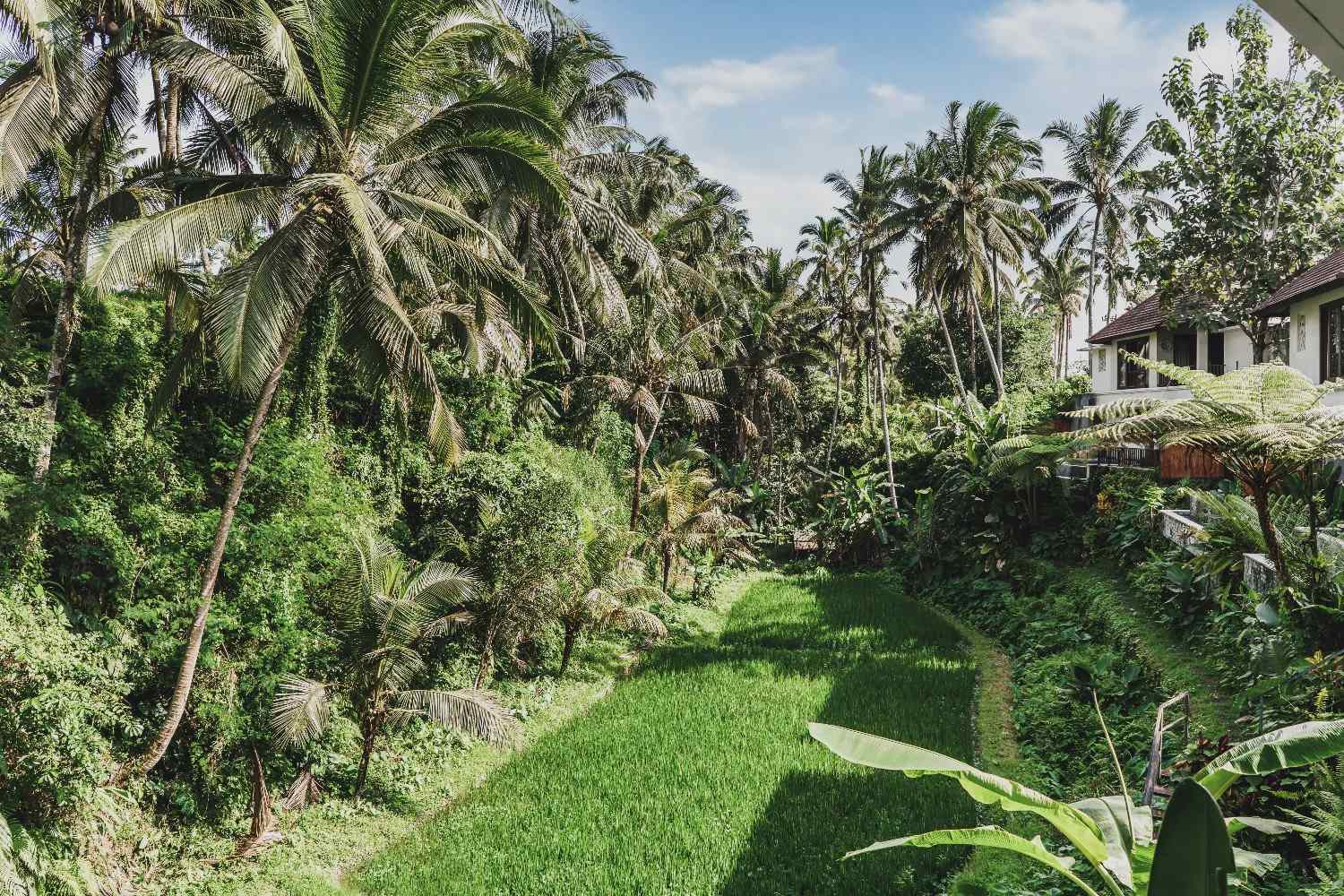
    Located in Bali’s central highlands, Ubud is known for its peaceful atmosphere, natural surroundings, and traditional Balinese culture. The area features green rice terraces, tropical forests, and river valleys, making it ideal for travelers seeking privacy and relaxation.

    An Ubud 5-star hotel or resort typically offers accommodation surrounded by nature, with facilities such as infinity pools overlooking jungle valleys, wellness centers, and traditional Balinese spa treatments. Many properties also provide private villas designed for a quiet and comfortable stay.

    Ubud is especially suitable for couples, wellness travelers, and those interested in slow travel in Bali, where relaxation and cultural experiences are the main priorities.

    Seminyak & Nusa Dua: Beachfront Luxury

    Seminyak and Nusa Dua are two popular destinations for beachfront resorts in Bali. Although both offer luxury accommodation and beach access, each area provides a different experience.

    • Nusa Dua (Privacy and Relaxation):

     Located on Bali’s southeastern coast, Nusa Dua is known for its well-maintained resort areas, white sand beaches, and relatively calm waters. Many luxury resorts offer spacious accommodation, private beach areas, swimming pools, and family-friendly facilities, making it suitable for a peaceful holiday.

    • Seminyak (Lifestyle and Sunset): 

    Situated on Bali’s western coast, Seminyak combines beachfront resorts with restaurants, beach clubs, shopping, and nightlife. Guests can enjoy sunset views and direct beach access at selected resorts while staying close to popular lifestyle destinations.

    For travelers deciding where to stay in Bali as a couple, Seminyak is suitable for those who enjoy dining and entertainment, while Nusa Dua offers a quieter resort atmosphere.

    Uluwatu: Clifftop Luxury

    Located on the Bukit Peninsula in southern Bali, Uluwatu is known for its limestone cliffs overlooking the Indian Ocean. The area offers impressive ocean views and a quieter atmosphere compared to Bali’s busier coastal destinations.

    Many 5-star resorts in Uluwatu are built along the cliffs, featuring infinity pools, private villas, and elevated ocean views. Some properties also offer access to secluded beaches below the cliffs, along with spa facilities and private dining experiences.

    Uluwatu is ideal for couples and luxury travelers who prefer ocean views, privacy, and a relaxing resort experience away from crowded tourist areas.

    Choosing the Right Bali Resort Tier for You
    Choosing a Bali 5-star resort means looking beyond the luxury label and considering the quality of service, complete facilities, and privacy offered. Before booking, make sure the resort’s amenities, accommodation types, and overall experience match your travel preferences.

    For a relaxing stay surrounded by Ubud’s natural beauty, consider Equipoise Resort Ubud, while La Mewali Resort is a great option for those who prefer staying in Canggu. Explore their accommodation options and book directly through their official websites for your next Bali getaway.
  • Yoga Near a Waterfall in Bali: Where to Practice in Ubud

    Yoga Near a Waterfall in Bali: Where to Practice in Ubud

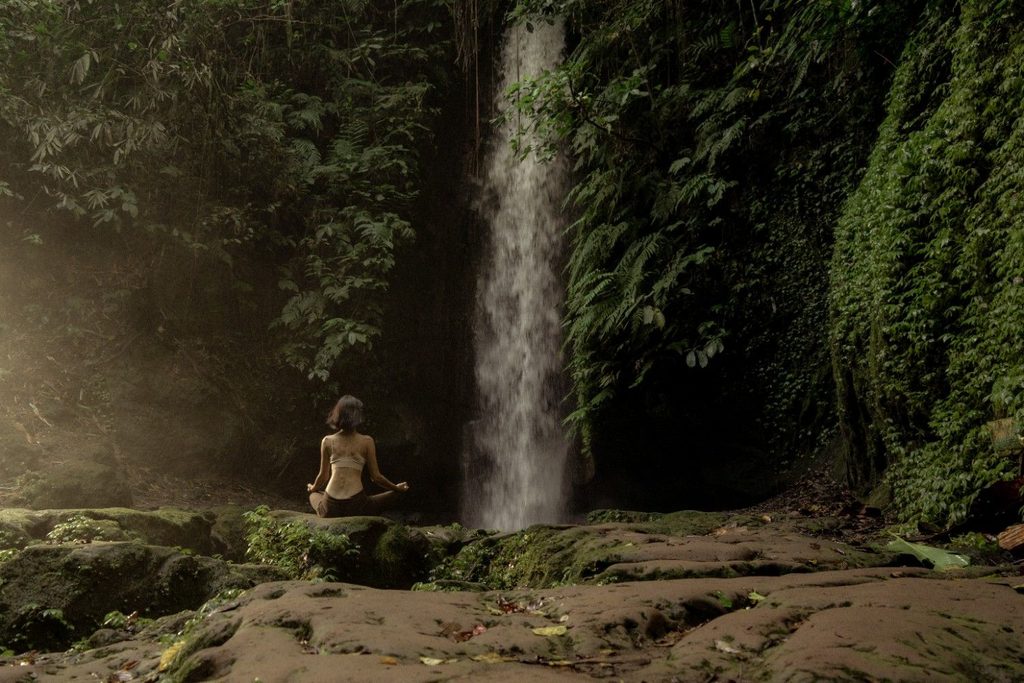
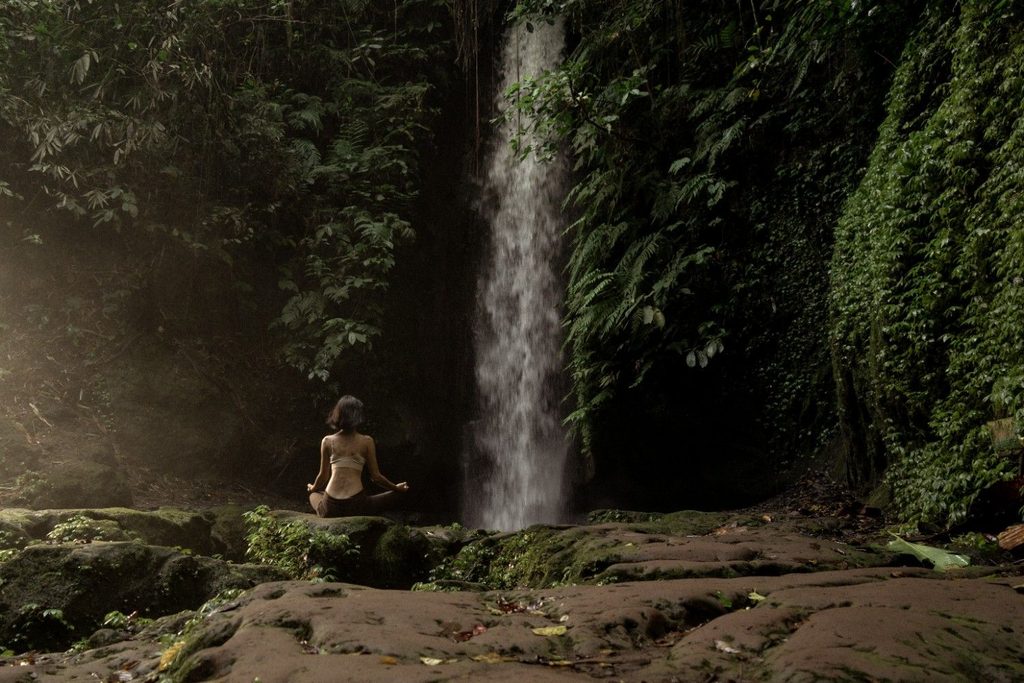
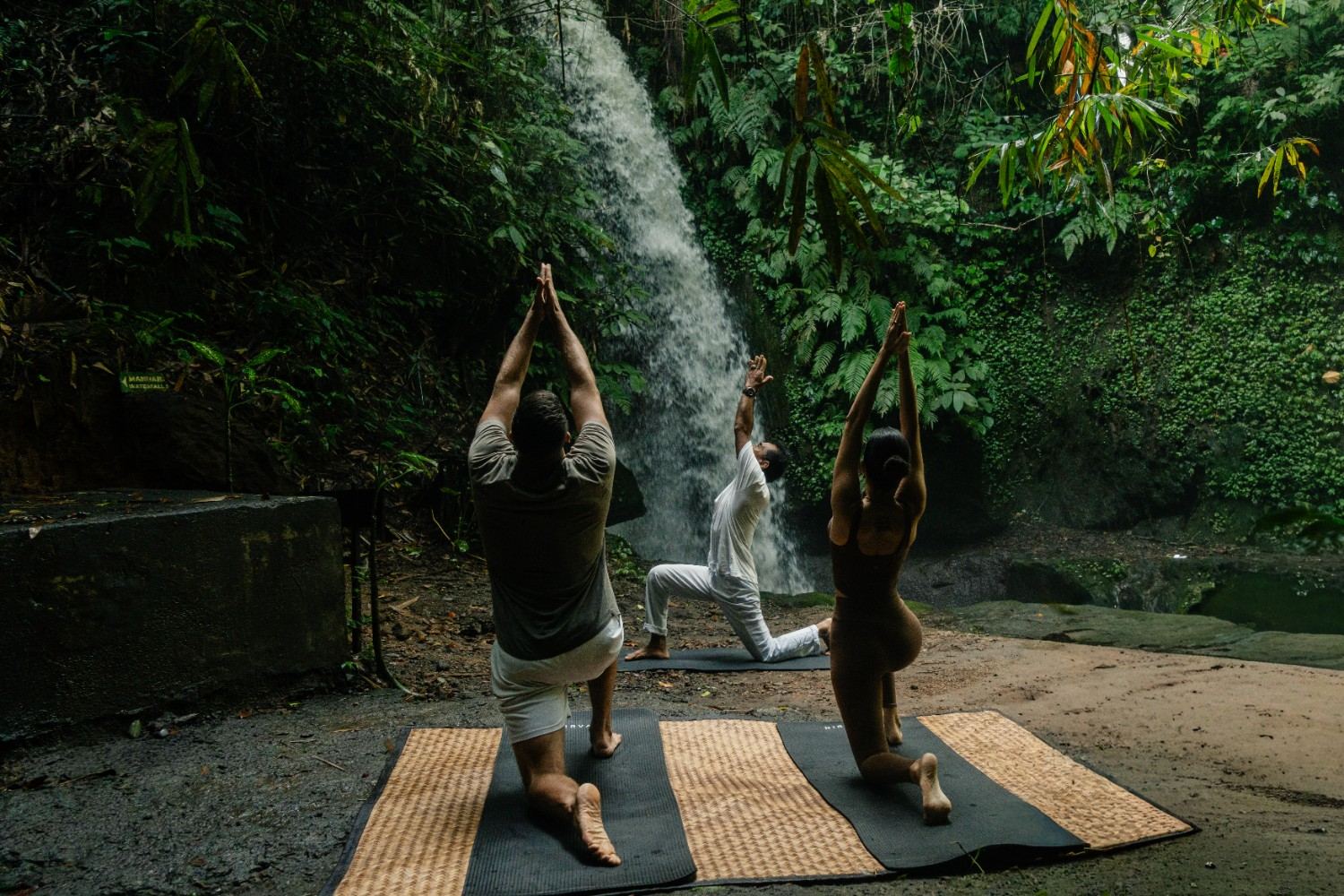
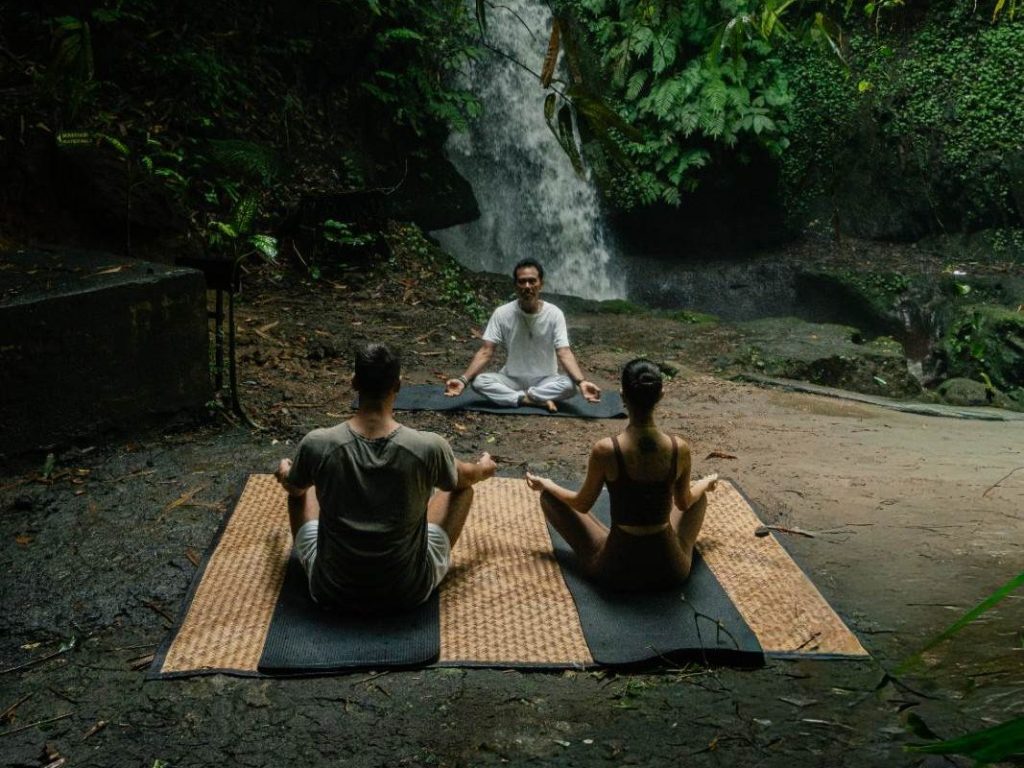
    One of the easiest places to practice yoga near a waterfall in Bali is Ubud, where resorts like Equipoise Resort Ubud offer on-site yoga classes minutes from Manuaba Waterfall. Combining yoga with the peaceful natural surroundings and sounds of a nearby waterfall creates a relaxing experience that helps refresh both the mind and body.

    For travelers looking for a wellness activity, this combination offers one of the best ways to enjoy yoga and explore Bali’s natural beauty. This guide covers what to expect from yoga near a waterfall, where to find the best locations, and practical tips to help you plan your experience.

    Where to Practice Yoga Near a Waterfall in Ubud

    Equipoise Resort Ubud yoga classes take place in an open-air yoga shala overlooking the surrounding greenery. 

    Ubud is known as Bali’s spiritual center, surrounded by green rice fields, tropical forests, and natural waterfalls. For travelers interested in luxury wellness in Bali, Ubud offers a peaceful setting for yoga and wellness retreats, where you can exercise while enjoying the relaxing sounds of nature. Here’s some recommendations:

    1. Equipoise Resort Ubud

    For those who value comfort, convenience, and privacy, resort-based yoga classes are a great option. Equipoise Resort Ubud yoga classes take place in an open-air yoga shala overlooking the surrounding greenery. 

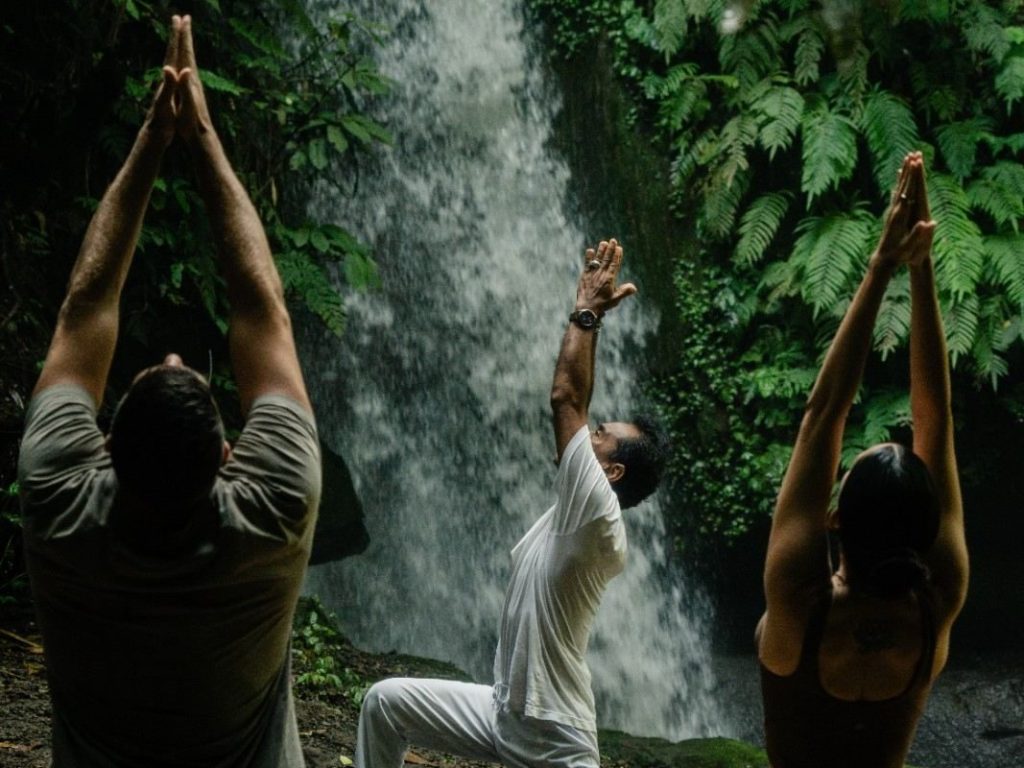
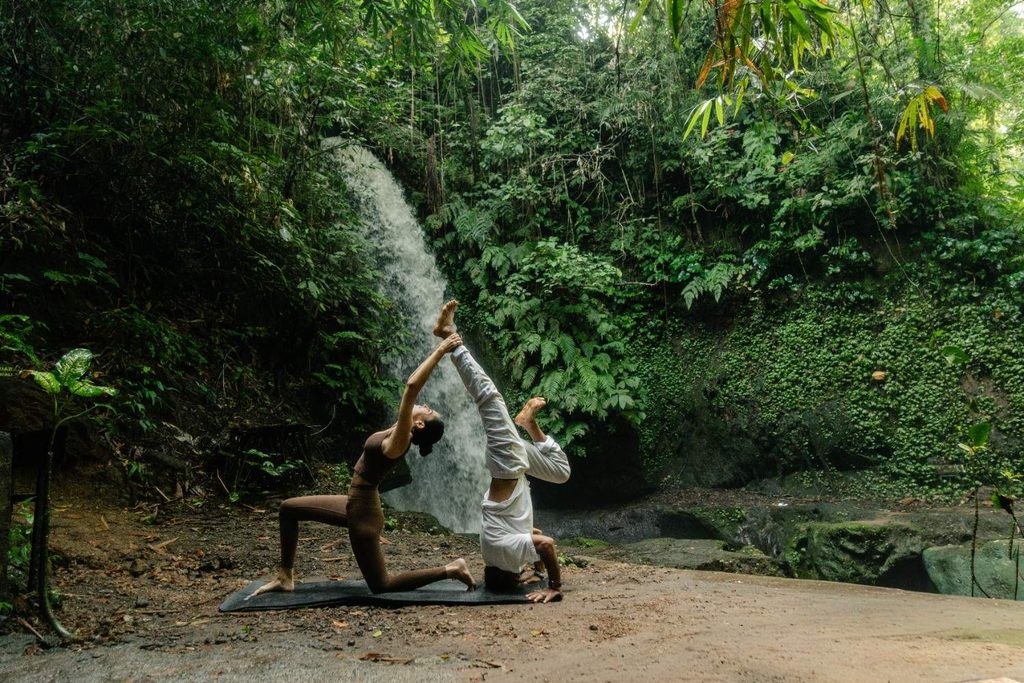
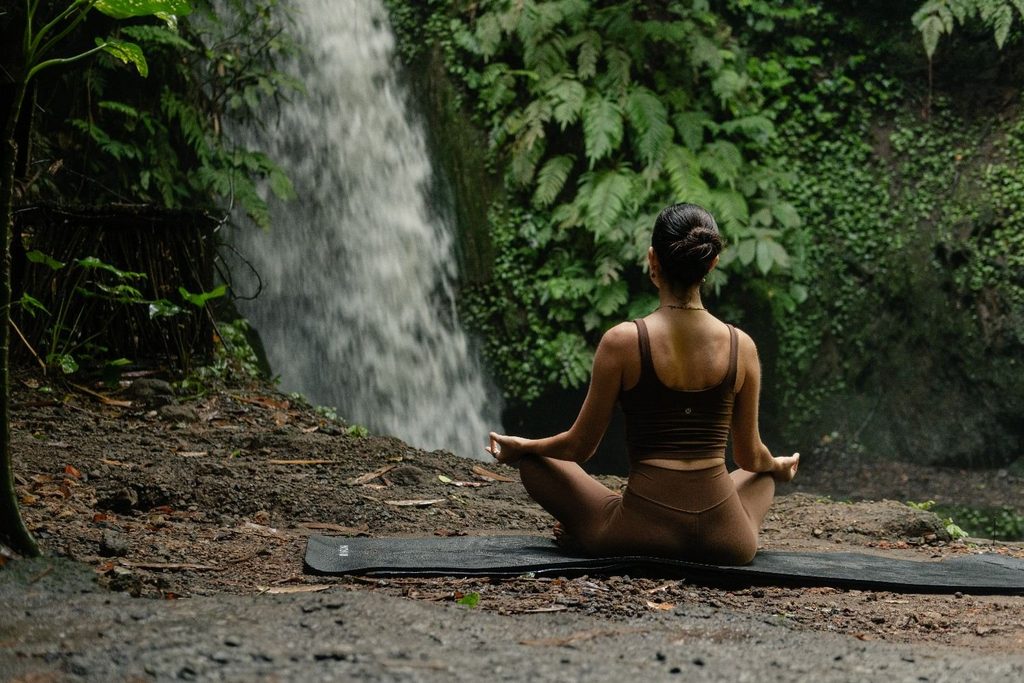
    The resort also offers waterfall yoga sessions beside the nearby Manuaba Waterfall, allowing guests to practice while enjoying the natural setting. This setting provides a bespoke resort experience for guests looking to relax and connect with nature.

    You can start your morning with a yoga session, enjoy a healthy breakfast at the resort’s restaurant, Terra Verte, or experience yoga beside the waterfall for a closer connection with nature. Classes are typically guided by experienced instructors who adjust the exercises to suit different skill levels. Yoga mats, blocks, and clean towels are provided, so you only need to bring comfortable clothing.

    2. Intuitive Flow

    Intuitive Flow is a yoga studio located on the upper floor of an open-air wooden shala in Penestanan Kaja, Sayan, Ubud. The studio overlooks the Campuhan River valley, with distant views of Mount Agung. Surrounded by tropical forests and fresh air, it offers a serenel setting for outdoor yoga in Ubud, away from busy roads.

    The studio offers daily drop-in classes, including Gentle Yoga, Vinyasa Flow, Yin Yoga, and Meditation. All necessary yoga equipment is provided, and guests can visit the nearby Yellow Flower Café for organic food and drinks after their sessions.

    Intuitive Flow is ideal for those who enjoy jungle yoga, quiet surroundings, and scenic valley views. Its relaxed atmosphere also suits travelers looking for slow luxury in Bali. If you are interested in sunrise yoga in Bali, check the studio’s schedule for available morning classes.

    3. Ubud Yoga Centre

    Ubud Yoga Centre features a modern, minimalist design combining wood and glass. Its main studio sits on a cliff overlooking the Wos River, with large glass windows offering views of the surrounding greenery. This setting allows guests to enjoy nature while practicing yoga in a comfortable indoor space.

    Located along the main Singakerta Sayan road, the studio is easily accessible by car or motorbike. It offers various yoga styles, including Bikram or Hot Yoga, Kundalini, Ashtanga, and Fly High Yoga. The center also has a two story wellness café serving healthy, plant-based meals.

    Other facilities include hot showers, lockers, and a shop selling yoga equipment and clothing. Ubud Yoga Centre is suitable for those who prefer modern facilities, especially Hot Yoga enthusiasts. You can also combine your yoga class with a couple’s spa in Ubud for a more relaxing wellness experience.

    4. The Yoga Barn

    The Yoga Barn is one of Bali’s most popular wellness centers, located on Jalan Hanoman in Pengosekan, Ubud. Its yoga studios feature traditional teak wood and bamboo designs, surrounded by tropical gardens, fish ponds, and natural water features. Despite its central location, the complex offers a tranquil environment for yoga and relaxation.

    The center offers more than 100 classes per week, including yoga, meditation, sound healing, breathwork, and ecstatic dance. It also features a café serving raw food, vegan dishes, and fresh juices, making it convenient for guests to enjoy healthy meals between activities.

    Beyond yoga classes, The Yoga Barn has a healing center offering Reiki therapy, acupuncture, Ayurvedic massage, and astrology consultations. On-site accommodation is also available for travelers planning a yoga retreat in Ubud.

    The Yoga Barn is suitable for practitioners of all levels, especially those who want to meet other yoga enthusiasts and explore different wellness activities. With its wide range of classes, treatments, and facilities, it is a convenient choice for a wellness retreat in Ubud.

    5. Om Ham Retreat & Resort

    Located on Jalan Tirta Tawar, Om Ham Retreat & Resort is surrounded by green rice fields and coconut trees, offering a secluded atmosphere away from Ubud’s busy tourist areas. The resort focuses on holistic wellness, combining daily yoga sessions with traditional Balinese practices such as Melukat, a water purification ritual held at nearby waterfalls or holy springs, including Pura Gunung Kawi Sebatu.

    The resort features a dedicated Yoga Shala where experienced local instructors guide yoga and meditation sessions. Classes include Ashtanga, Hatha Yoga, and Kundalini Tantra Yoga, with a focus on traditional holistic practices. For travelers interested in sunrise yoga in Bali, the resort’s natural surroundings provide a relaxing setting for morning practice.

    Other facilities include Tulsi Restaurant, which serves organic plant-based meals and detox menus, an outdoor swimming pool, holistic spa treatments, and accommodation featuring traditional Balinese architecture.

    Om Ham Retreat & Resort is ideal for travelers who want to deepen their yoga practice, experience traditional Balinese wellness activities, and enjoy a retreat surrounded by nature.

    6. Sanggraloka Ubud

    Sanggraloka Ubud is an eco-tourism and wellness resort located in the Tegallalang area. Surrounded by tropical forests, natural rivers, and green valleys, the resort offers a quiet setting for relaxation and outdoor activities. Its cliffside yoga deck provides panoramic views of the surrounding rainforest, making it a suitable place for yoga and meditation.

    The resort offers wellness activities such as yoga sessions overlooking the valley, breathwork meditation or pranayama, and traditional Melukat purification rituals at nearby waterfalls. Guests can also join guided meditation visits to natural waterfalls, combining wellness activities with opportunities to explore the surrounding environment.

    Facilities include an open-air restaurant serving fresh meals made with ingredients sourced from the resort’s organic garden, a swimming pool overlooking the valley, and accommodation options such as eco-friendly glamping tents and wooden villas.

    Sanggraloka Ubud is ideal for nature lovers and travelers planning a yoga retreat in Ubud, especially those interested in combining yoga, outdoor activities, and waterfall exploration in a natural setting.

    What to Expect From an Outdoor Session

    yoga near a waterfall in Bali offers a different experience compared to an indoor yoga studio

    Practicing yoga near a waterfall in Bali offers a different experience compared to an indoor yoga studio. The sounds of flowing water, fresh air, and tropical surroundings create a relaxing environment for yoga and meditation. However, there are several things to consider before joining an outdoor session, especially at the waterfalls near Ubud.

    1. Dealing with Humidity

    Areas around waterfalls in Bali often have high humidity levels, which can reach 80% to 90%. This can make you sweat more during yoga and cause your mat to become slippery.

    To stay comfortable, use a yoga mat with a strong grip or place a yoga towel over your mat. Wear lightweight, breathable clothing that absorbs moisture and dries quickly.

    2. Choosing the Right Time (Sunrise vs. Sunset)

    The time of day can affect your outdoor yoga experience, especially when practicing near waterfalls.

    • Morning (06:30 to 08:30): Morning is generally the best time for outdoor yoga near waterfalls. The temperature is cooler, the air feels fresh, and popular locations are usually less crowded. Natural morning light also creates a serene atmosphere for yoga and meditation.
    • Late Afternoon (16:30 to 18:00): Late afternoon sessions offer cooler temperatures after a warm day. However, humidity may increase, and mosquitoes or other insects can become more active as the sun sets.

    3. Essential Gear (What to Bring)

    Preparing the right equipment can make your outdoor yoga session more comfortable, especially in humid areas near waterfalls.

    • Change of Clothes and Small Towel: Bring extra clothes and a towel to stay dry after sweating or being exposed to waterfall mist.
    • Water Bottle: Bring enough drinking water or fresh coconut water to stay hydrated throughout your session.
    • Natural Insect Repellent: Use mosquito repellent, such as a citronella-based product, to help prevent insect bites while practicing outdoors.
    • Outdoor Footwear: Wear hiking sandals or shoes with good grip, as walking paths near waterfalls can be wet, rocky, and slippery.

    With the right preparation, you can enjoy outdoor yoga comfortably while experiencing the natural surroundings of Ubud.

    Why Ubud Is Bali’s Best Base for Waterfall-Adjacent Yoga

    Ubud Is Bali's Best Base for Waterfall-Adjacent Yoga

    1. Rice Terrace and Jungle Setting

    Ubud’s natural environment provides a setting for yoga, especially for those who prefer practicing outdoors.

    Surrounded by river valleys, tropical forests, and terraced rice fields, Ubud offers a cooler and fresher environment than Bali’s coastal areas, making outdoor yoga sessions more comfortable, especially in the morning. The sounds of flowing rivers and waterfalls, along with views of tropical greenery, create a peaceful atmosphere that helps practitioners relax and stay focused during yoga, breathing exercises (pranayama), and meditation.

    2. Many Wellness Resorts and Studios in One Area

    Ubud offers a wide selection of wellness facilities, making it convenient for travelers to combine yoga with other activities.

    • Easy Access to Waterfalls: 

    Ubud provides access to several waterfalls, including Manuaba, Tegenungan, Suwat, and Layana. Visitors can explore these natural attractions while staying close to restaurants, accommodation, and medical facilities.

    • Wellness Facilities: 

    Ubud has a variety of wellness resorts and yoga studios, ranging from luxury resorts with riverside yoga areas to independent studios with certified instructors. These options accommodate different experience levels, making Ubud suitable for both beginners and experienced yoga practitioners.

    Plan Your Ubud Yoga and Waterfall Day

    yoga waterfall at equipoise resort

    Ubud is one of the best places to enjoy yoga near a waterfall in Bali, offering a combination of peaceful natural surroundings and accessible wellness facilities. Resorts like Equipoise Resort Ubud make it easy to combine yoga sessions with a visit to the nearby Manuaba Waterfall.

    For a relaxing wellness experience, consider Equipoise Resort Ubud, which offers yoga classes in an open-air shala and special sessions beside Manuaba Waterfall. Plan your visit to enjoy yoga surrounded by nature, followed by a healthy meal at Terra Verte Restaurant.

  • What Is an Eco Resort? Definition, Features, and a Bali Example

    What Is an Eco Resort? Definition, Features, and a Bali Example

    An eco resort is a hotel that is designed and operated to reduce its impact on the environment. This is usually done by using sustainable building materials, managing energy and water carefully, and supporting local communities and ecosystems. In Bali, this matters even more because tourism depends directly on the island’s nature and culture.

    Not every property labeled “green” follows these practices, though. This article explains what an eco resort is, the criteria that qualify a hotel as one, and a real example from Bali.

    What Makes a Resort “Eco”?

    A real eco resort shows its commitment in three areas: how the property is built, how it runs day to day, and how it treats the people

    A green label or a towel-reuse card doesn’t make a resort eco. A real eco resort shows its commitment in three areas: how the property is built, how it runs day to day, and how it treats the people and place around it. Together, these areas define sustainable hospitality.

    Sustainable Architecture and Building Materials

    Eco resorts choose locally sourced materials that are locally sourced materials such as bamboo, volcanic stone, recycled timber, and rammed earth. Shorter transport distances mean lower emissions, and traditional building methods keep local craft skills alive. Bamboo architecture is a common example in Bali, where the material grows fast and is easy to find nearby.

    Design matters as much as the materials. Open-air layouts, deep roof overhangs, and natural airflow reduce the need for air conditioning, while buildings that follow the existing terrain avoid heavy earthworks and tree clearing.

    Energy, Water, and Waste Management

    This is where a resort’s claims become measurable. Look for:

    • Energy: solar panels, efficient lighting, and solar or heat pump water heating instead of standard electric heaters.
    • Water: rainwater harvesting, water-saving fixtures, and on-site wastewater treatment so used water does not reach rivers or rice fields untreated.
    • Waste: refill stations instead of plastic bottles, refillable bathroom amenities, composting of kitchen scraps, and clear sorting of recyclables.

    A resort that can state what it saves, even in simple terms, is more credible than one that only says it cares.

    Community and Cultural Integration

    An eco resort treats the local community as a partner. This means hiring and training staff from nearby villages, buying produce from local farmers, and commissioning local artisans for furniture, decor, and art. In Bali, it also means respecting local customs and the Tri Hita Karana philosophy, which values harmony between people, nature, and the spiritual world.

    A useful test is whether a meaningful share of the resort’s spending stays in the surrounding community. That is what separates sustainable living hospitality from green marketing.

    Eco Resort vs. Regular Resort: What’s the Difference

    Eco Resort vs. Regular Resort

    The main difference between eco resorts and regular resorts is priorities. Regular resorts are built mainly for guest comfort and business efficiency, and environmental impact is often an afterthought. An eco resort puts environmental and social impact at the center of its decisions, from building design to breakfast menus. 

    Conventional properties may run green programs too, but these are usually add-ons rather than guiding principles.

    AspectRegular ResortEco Resort
    Primary priorityGuest comfort and business efficiency Comfort, balanced with environmental protection
    Green practicesAdd-ons, such as towel reuse programsPart of daily operations
    SourcingBased on price and supplier convenienceFavors local farmers and artisans
    Guest experienceStandardized facilities with a uniform feelDistinctly local, with activities tied to nature and culture
    Rates Varies, often lowerCan be higher because of management and material costs 
    • From the Guest’s Perspective

    Staying at an eco resort often creates a closer connection to the destination. Guests might eat produce from the on-site garden, join craft workshops with local artisans, or walk through areas left in their natural state. 

    This is low-impact tourism that guests can see and take part in. A regular resort offers a more predictable stay, with full amenities but often little to tell it apart from resorts in other countries.

    • Regarding Claims

    This is the most overlooked difference. The word “eco” has no single universal definition, so some properties use it mainly as a marketing label. A genuinely eco-friendly hotel backs its claims with independent certifications or clear data on resource savings, so vague promises are worth a few follow-up questions.

    Is an Eco Resort More Expensive?

    An eco resort often costs more than a conventional resort in the same category, but not always.

    An eco resort often costs more than a conventional resort in the same category, but not always. Local building materials, water treatment systems, sourcing from nearby farmers, and fair wages for local staff all push costs up.

    The gap is not always big, though. Solar panels, rainwater harvesting, and designs that reduce the need for air conditioning lower long-term operating costs. Because of this, many eco resorts remain competitive in the mid-range market, and price alone does not tell you how sustainable a stay really is.

    To check whether the rate is justified, compare it with conventional resorts of the same class and location, and look for proof behind the claims, such as independent certifications or clear data on resource savings. 

    A higher rate is easier to justify when a property is open about what it spends on. For travelers who value slow luxury travel, a higher rate makes more sense when you can see exactly where the money goes.

    What an Eco Resort Looks Like in Bali

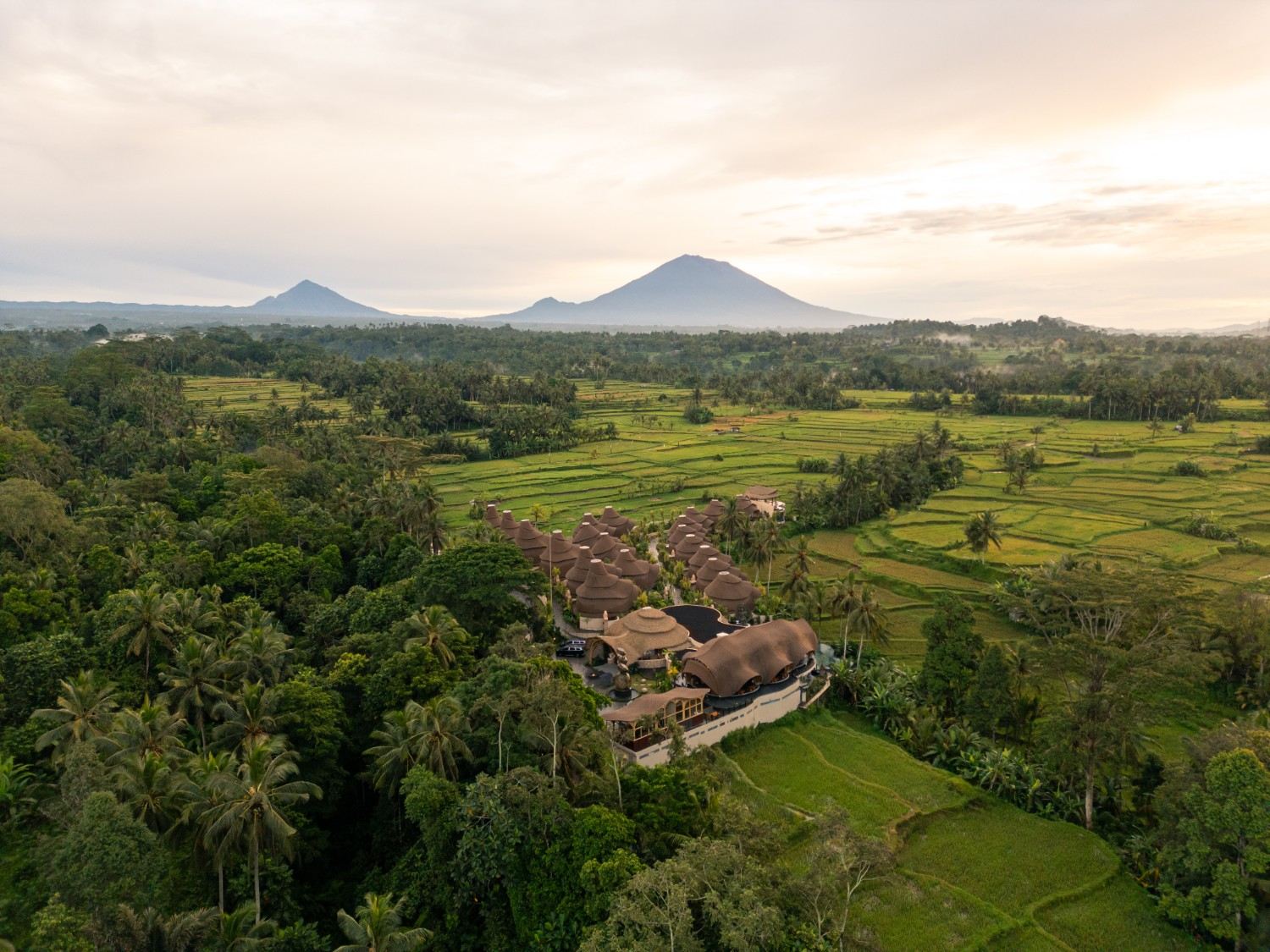
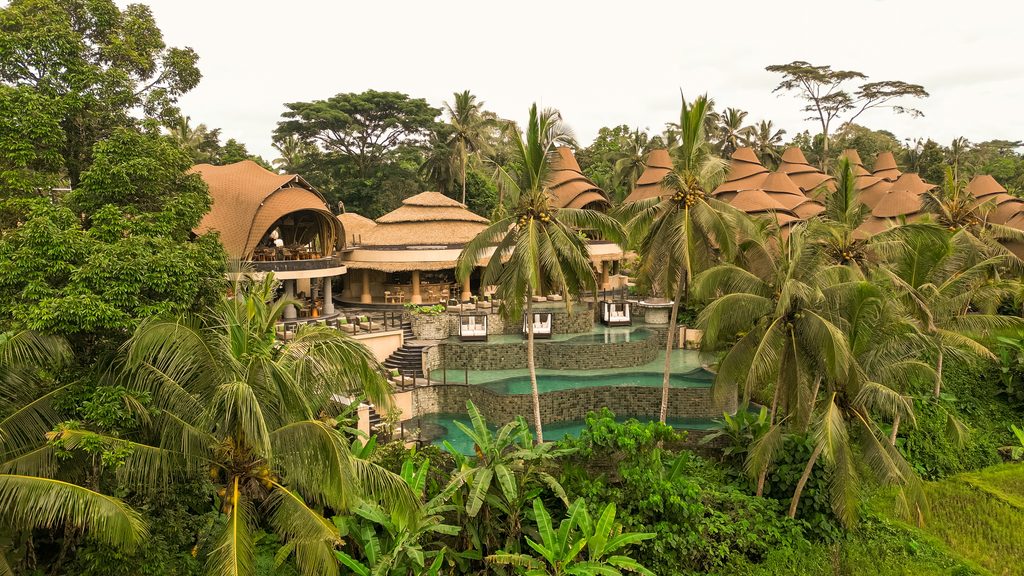
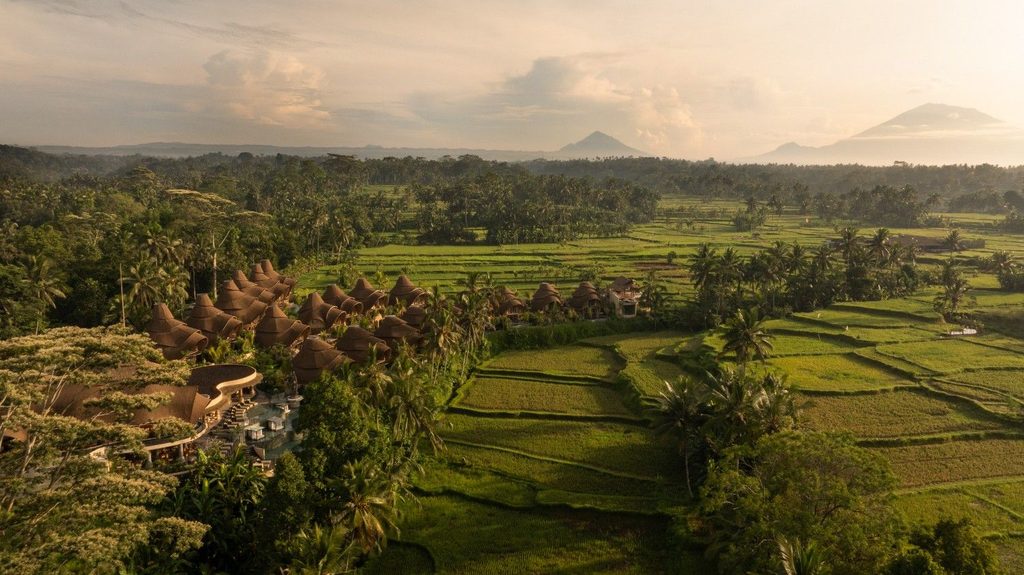
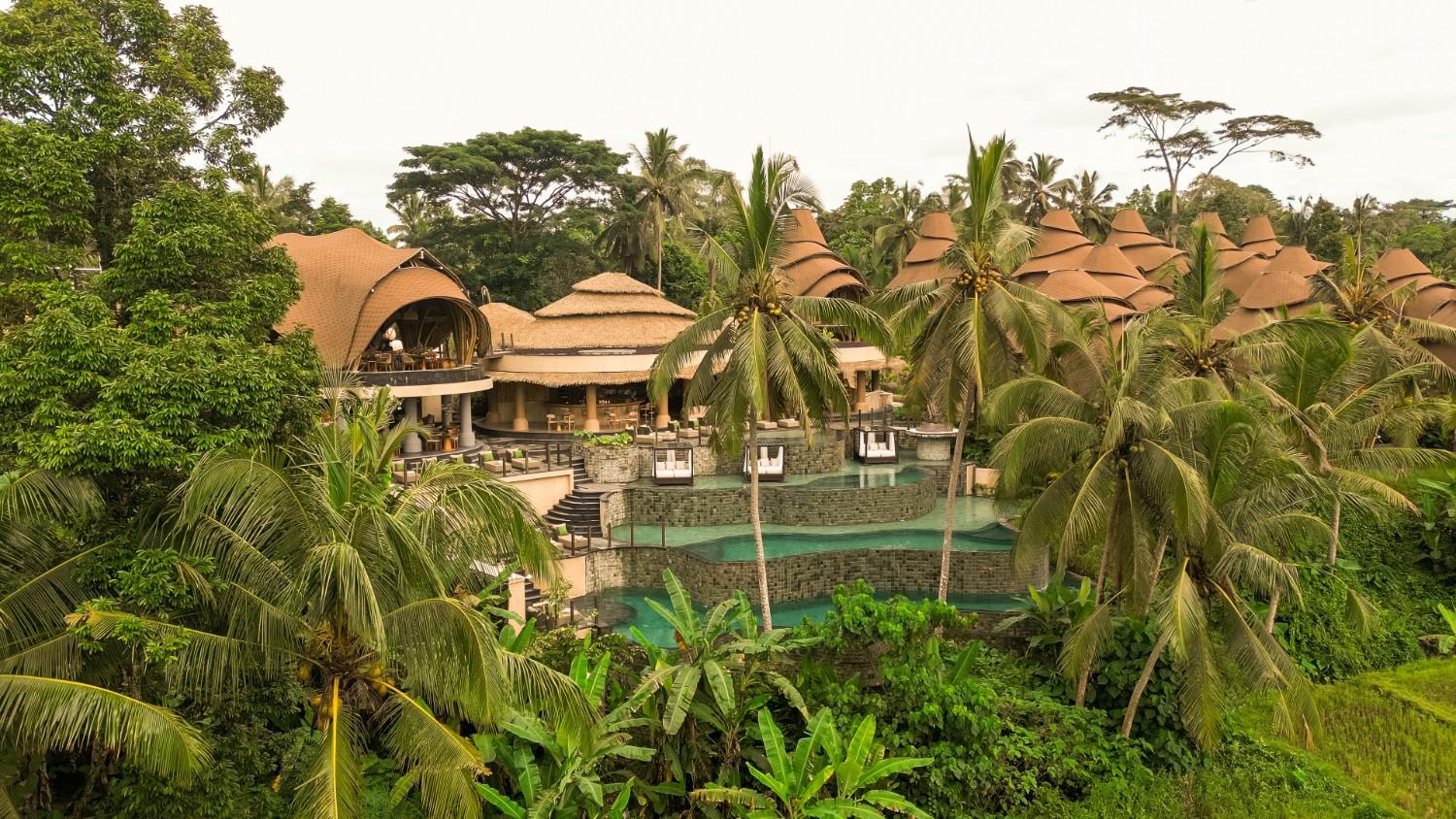
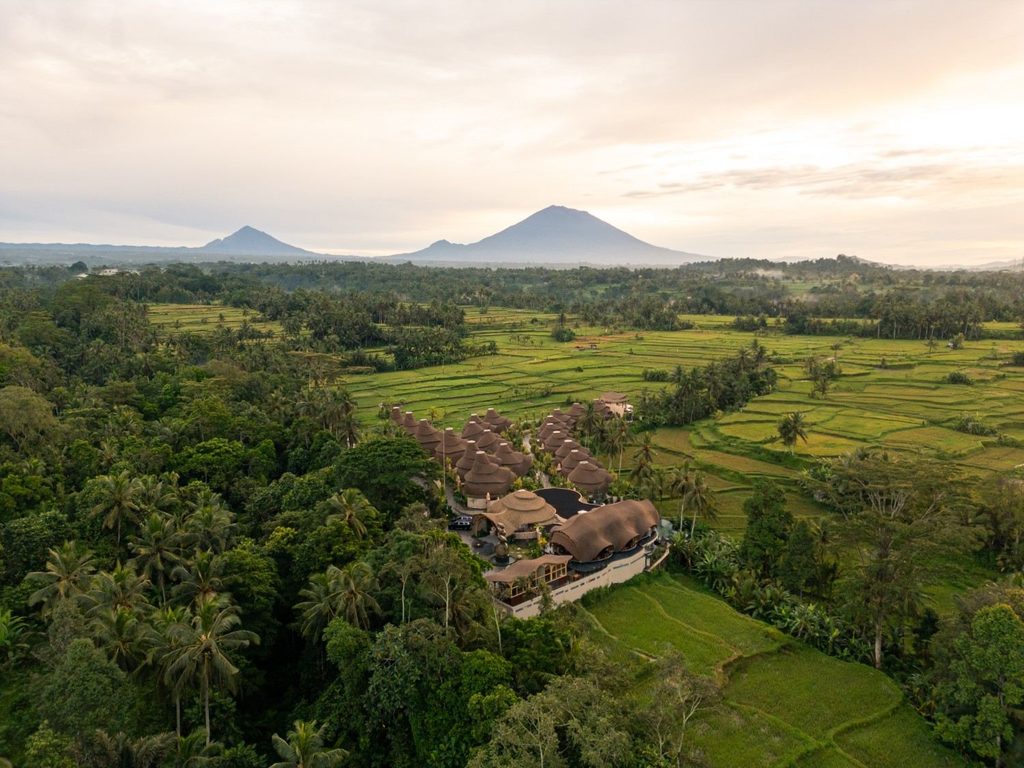
    Equipoise Resort Ubud is a fitting example, with green practices that show in bamboo and stone villas and the dining experience. It sits on a ridge in Kenderan Village, Tegallalang, overlooking terraced rice fields and a valley that leads to Manuaba Waterfall, one of Ubud’s hidden waterfalls. 

    The whole concept is built on the Tri Hita Karana philosophy of harmony between people, nature, and the spiritual world. This approach also shapes its luxury wellness experience, where guests rest in a setting that looks after the land around them.

    Energy-efficient systems and water conservation are built into the design. Waste management is a key part of the resort’s sustainability commitment, along with mapping and protecting local biodiversity. Seasonal menu planning helps reduce food waste.

    The restaurant buys fresh ingredients from farmers around Ubud, which cuts transport emissions and gives nearby farmers a steady customer base. The resort also supports local artisans and small businesses.

    Experience Eco Luxury in Bali

     eco resort

    Knowing what an eco resort is makes it easier to choose a stay that matches your values. The idea comes down to balance: comfort for guests, with genuine care for the environment and the local culture, backed by proof you can see.

    If you would like to see this in practice, Equipoise Resort Ubud is a welcoming place to start. Plan a stay to enjoy the ridge views, the locally sourced dining, and a setting built with respect for the land and the community around it.

  • Kenderan Hotel Guide: Where to Stay Near Ubud’s Rice Fields

    Kenderan Hotel Guide: Where to Stay Near Ubud’s Rice Fields

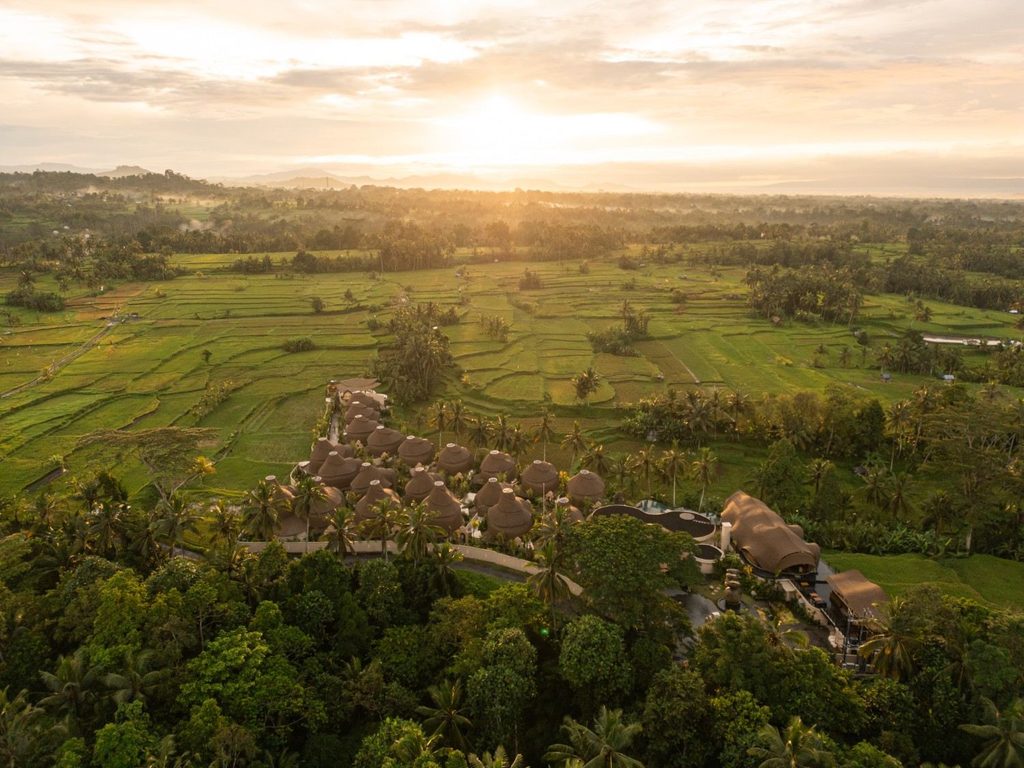
    Kenderan is a quiet village north of Tegallalang, surrounded by rice terraces and forest, away from the busy streets of Ubud and the crowded tourist spots of Tegallalang. It is a 30 to 40 minute drive from central Ubud (about 13 km) and 1.5 to 2 hours from Ngurah Rai Airport (about 55 to 60 km), which suits travelers who want a real break from the crowds.

    A good starting point for this Kenderan hotel guide is Equipoise Resort Ubud, an adults-only eco resort with 18 villas. It sits just three minutes on foot from Manuaba Waterfall, so you can enjoy a quiet natural setting without going far from your villa.

    Where Is Kenderan, Bali?

    Kenderan Hotel Guide

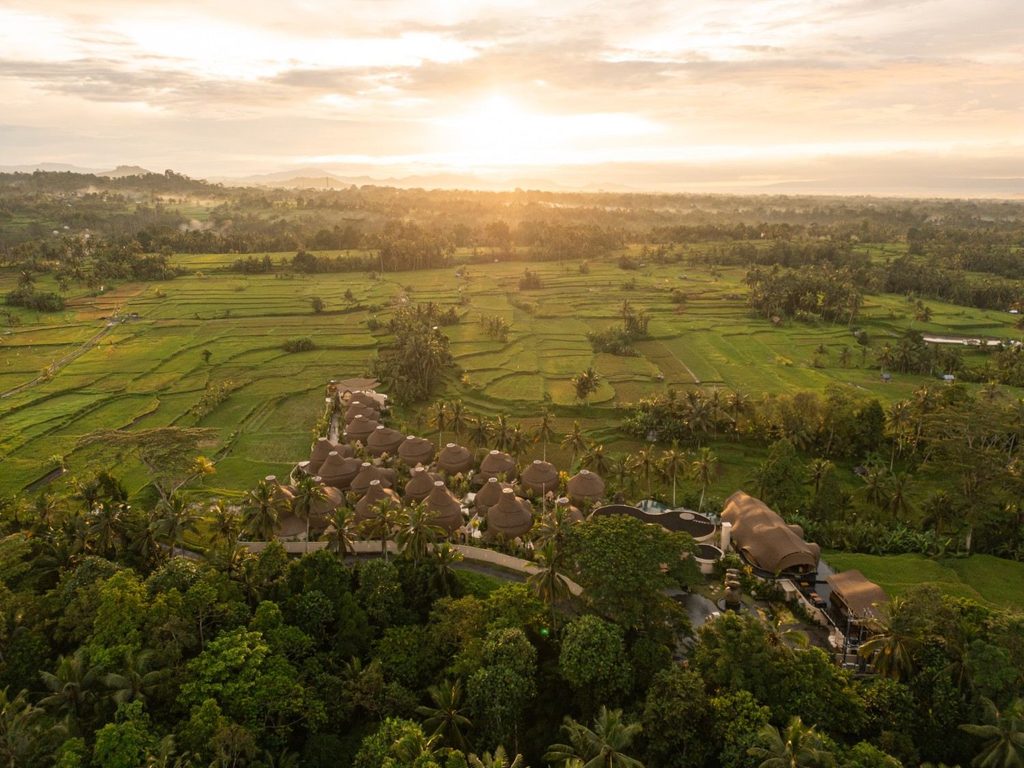
    Kenderan village is in the Tegallalang District of Gianyar Regency, north of Tegallalang and about 13 km from central Ubud. It has a rural feel, with terraced rice fields and green valleys, and is much quieter than the nearby tourist areas.

    From Ngurah Rai Airport, the drive takes about 1.5 to 2 hours (roughly 55 to 60 km), depending on traffic. From central Ubud, it takes around 30 to 40 minutes. Manuaba Waterfall is located within the village, so it is easy to reach.

    What Kenderan Village Is Known For

     Kenderan Village

    Kenderan is known for its unspoiled Balinese nature and its distance from the busy tourist routes nearby. Visitors mainly come for two things: a hidden waterfall and views of rice terraces.

    Manuaba Waterfall

    Manuaba Waterfall sits in the middle of Kenderan’s green valley and is reached by a walking path through the trees. It is more secluded than other popular waterfalls around Ubud, so the atmosphere is usually calm, and you can enjoy the sound of the water without the crowds.

    Rice terraces and village life

    The rice terraces of Kenderan stretch between local homes, combining green scenery with everyday village life. Visitors can watch farmers working in their fields, stroll along village paths, and enjoy the slow pace of rural Bali. Compared with the busier Tegallalang Rice Terrace nearby, the setting here feels much more relaxed.

    The Best Place to Stay in Kenderan: Equipoise Resort Ubud

    Best Place to Stay in Kenderan

    Equipoise Resort Ubud is a top choice for a stay in Kenderan, especially for couples. Its villas use bamboo architecture and stone that blend into the valley landscape. The resort is on Jl. Raya Desa Kenderan, just a three-minute walk from Manuaba Waterfall, so the village’s natural scenery is right outside your door.

    This eco-luxury resort is built around the Tri Hita Karana philosophy, which values harmony between people, nature, and the divine. You can see it in the natural materials and calm atmosphere. With 18 villas, it is an adults-only resort (minimum age 17), which keeps the setting private and quiet for couples and travelers who want to get away from the crowds.

    Terra Verte serves a Mediterranean menu with views of the rice terraces from the dining area. Riserva is a steak restaurant with limited seating and a more intimate feel. One suits relaxed meals by the rice fields, the other a quieter evening out.

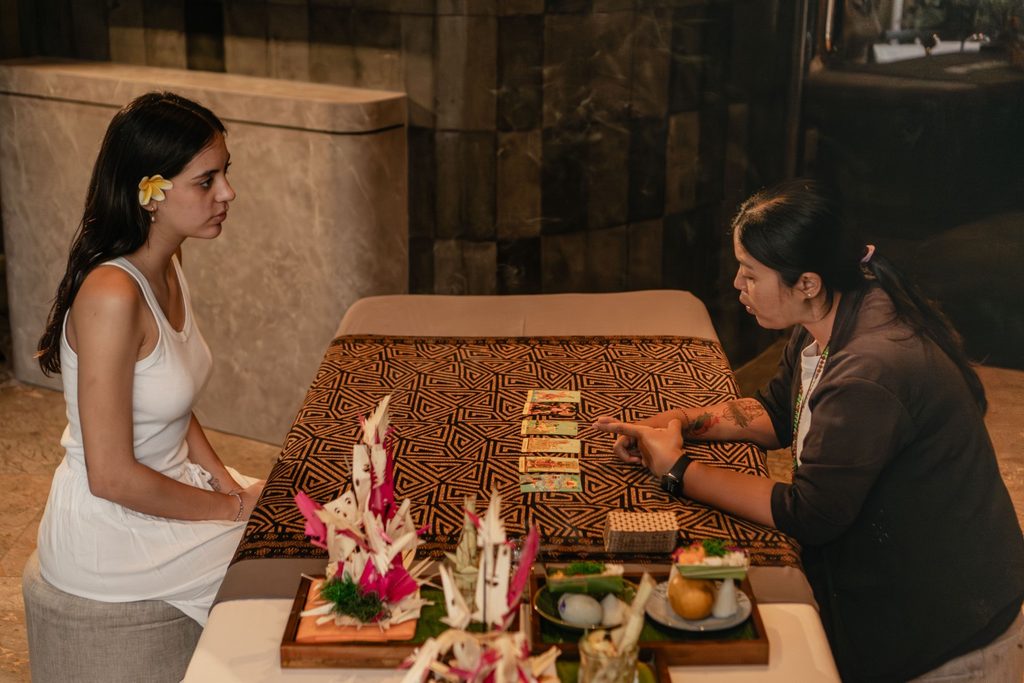
    Hammana Spa offers Wariga readings, a Balinese tradition that assesses personality and personal balance based on the Balinese calendar. The results guide personalized treatments, so each guest receives care that fits their needs.

    What to Expect: Facilities and Experience Pools

    Facilities and Experience in equipoise resort

    If you are looking for where to stay near Ubud, Equipoise Resort Ubud is a boutique resort in Ubud that suits a slow luxury wellness getaway. Located on Jl. Raya Desa Kenderan, it brings the pool, spa, and sleeping quarters together for a restful stay. Here is what to expect:
    • Private villa pools

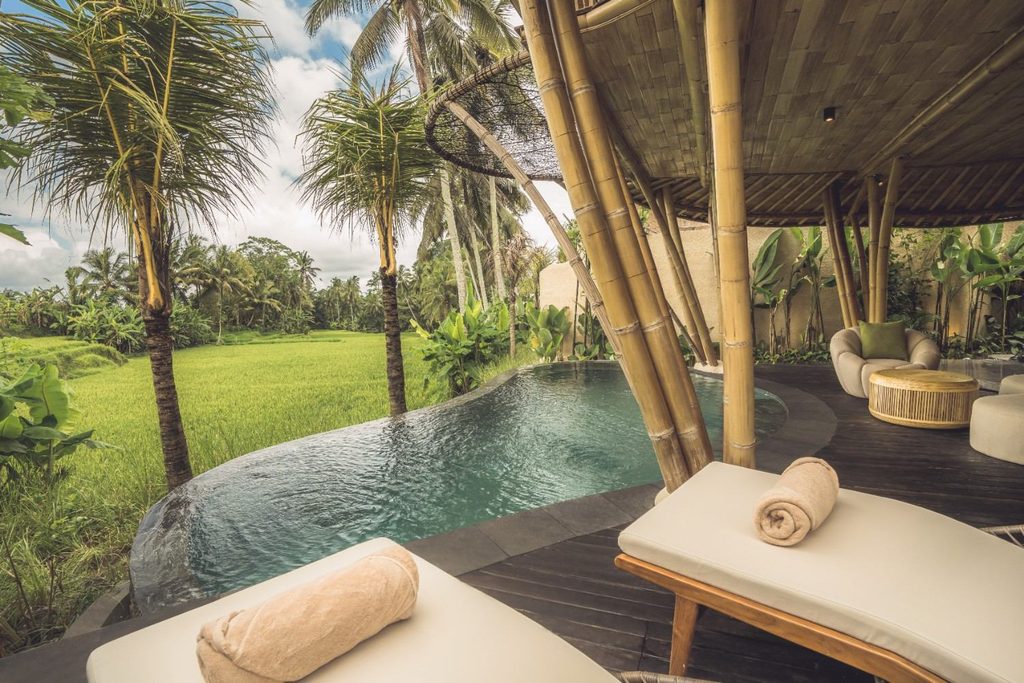
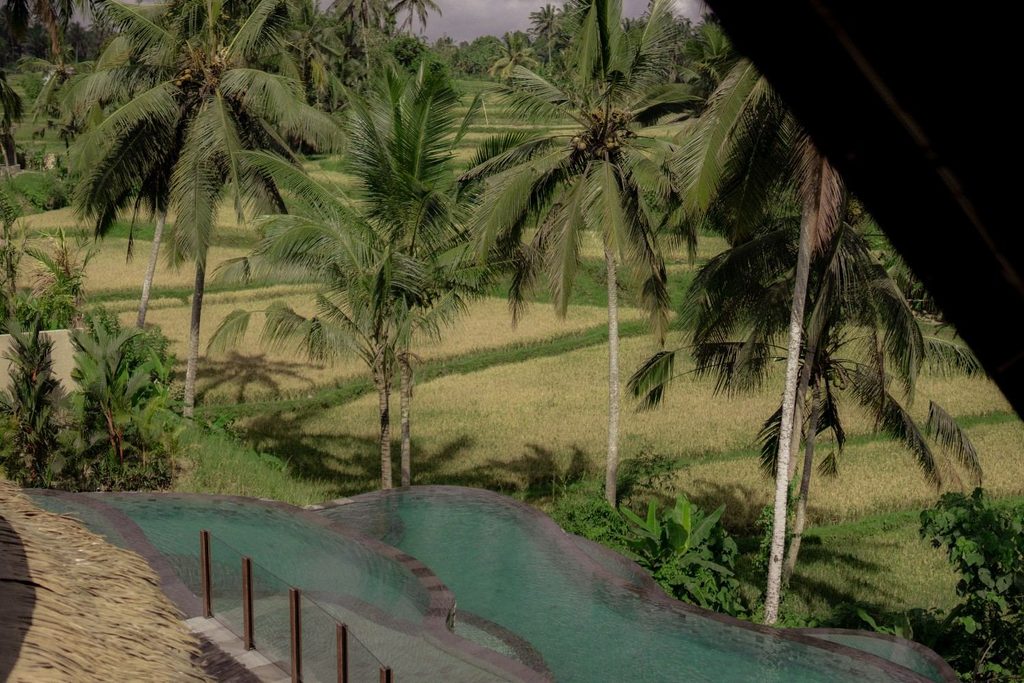
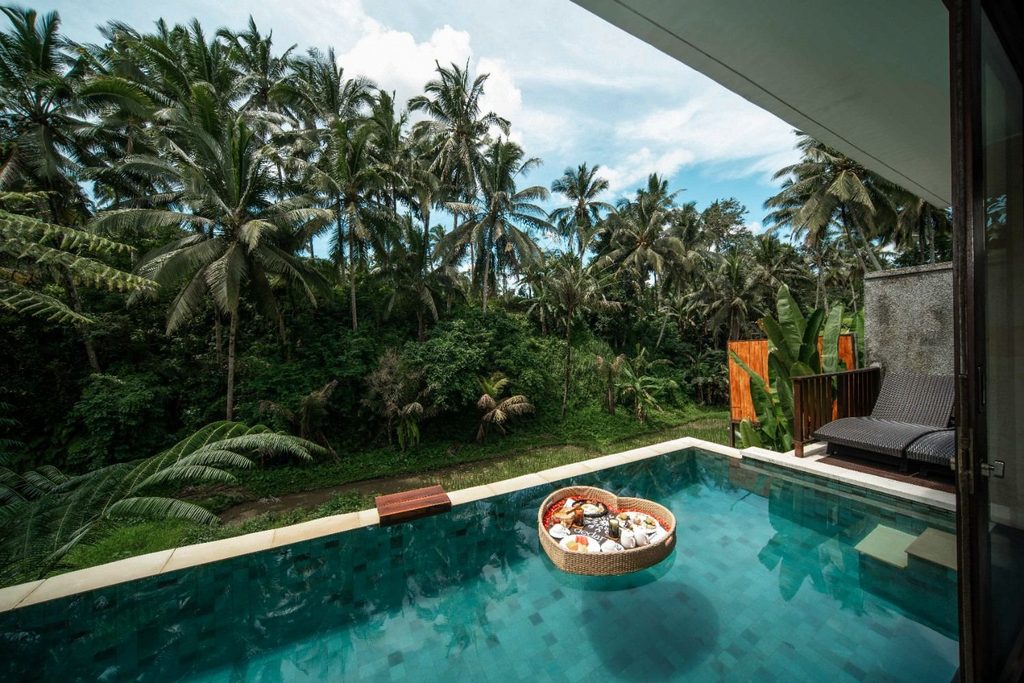
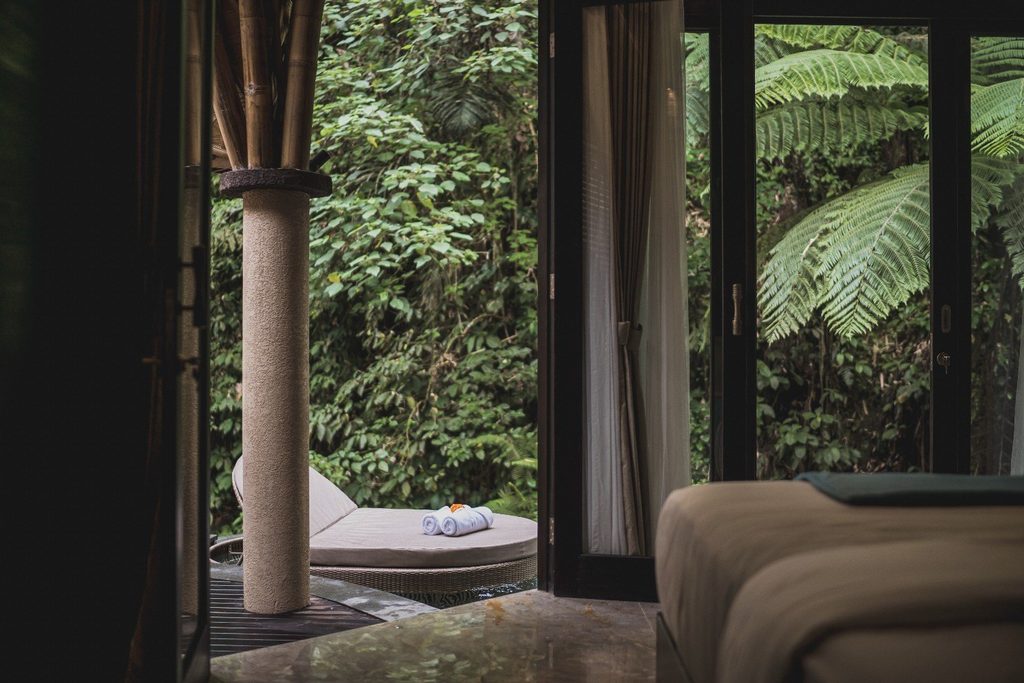
    Every villa, from the One-Bedroom Villa to the two-bedroom Presidential Villa, has its own private pool. The infinity pools overlook the rice fields, so the greenery seems to meet the water. Poolside sunbeds are a good spot to relax, and a Jacuzzi is available for an afternoon soak.

    • Main pool

    Besides the private pools, the resort has a shared pool for guests who want more room to swim or a change of scenery. It sits in the resort gardens, so you can swim in the cool morning air of Kenderan.

    • Floating breakfast and flower bath

    Both can be arranged in your villa. Breakfast arrives on a tray that floats in the pool, and the flower bath is set up in the hot tub. It makes mornings feel special without leaving your villa. For couples celebrating a honeymoon or anniversary, these options add a romantic touch.

    • Fitness center and yoga shala

    The resort has a fitness center and a yoga shala. Guests can keep up their workout routines or start the day with a calm yoga session. Exercising surrounded by nature feels more relaxed than a city gym, which fits well with slow travel in Bali.

    • Sleep Concierge

    Guests can choose calming scents, skin-friendly linens, and their preferred pillow. Options include curated aromatherapy and soothing soundscapes, which turn bedtime into a personal evening ritual. For guests who often sleep poorly in new places, this may help them wake up refreshed. It is a good example of a bespoke resort experience.

    Getting There and Practical Travel Tips

    the view kenderan

    Kenderan is north of Tegallalang, so it helps to plan ahead. This guide covers the practical details to know before you go.

    • From Ngurah Rai Airport

    The drive takes about 1.5 to 2 hours, depending on traffic. The resort offers an airport shuttle, so you can book your transfer in advance and skip the search for transport after a long flight.

    • From Ubud town center

    The distance is about 13 km, or a 30- to 40- minute drive. Ubud is still easy to reach for dinner, shopping, or a visit to Ubud Palace. Travel time can be longer during peak hours, so allow extra time if you have reservations.

    • From nearby attractions

    Manuaba Waterfall is just three minutes on foot from the resort. Tegallalang Rice Terrace is about 7 km away, so it is easy to combine with other activities in Ubud.

    • Arrival and parking

    You can check in from 3:00 PM. If you drive your own vehicle, free parking is available at the resort.

    • Best time to visit

     The dry season (roughly April to October) brings clear skies and easier waterfall paths. In the rainy season, the rice fields look even greener, but bring a raincoat and shoes with good grip.

    • What to bring

    Comfortable shoes or sandals for the waterfall trails, a change of clothes, and a light jacket for the evening. Kenderan sits higher than Ubud, so the air is usually cooler.

    • Accommodation policies

    Equipoise accepts adult guests aged 17 and older only, and pets are not allowed. Please make sure everyone in your party meets these requirements before booking.

    Is Kenderan Right for Your Trip?

    best kenderan stay

    Kenderan suits travelers who want peace and quiet away from the crowds. The village sits with daily views of rice terraces and valleys dotted with waterfalls. Couples, honeymooners, and anyone who wants to recharge will get the most out of a stay here.

    Keep in mind that Kenderan is not a busy tourist hub. There are no cafes, shops, or nightlife venues within walking distance, so you will need to drive to Ubud for these. Some guests also find the on-site resort activities limited, so this location works best for a trip focused on rest.

    If you want both calm and culture, Kenderan offers a good balance. Spend your mornings at the villa, the spa, or the waterfall, then head to Ubud in the evening for sightseeing and dinner. That way, you stay close to Bali’s cultural heart and still return to a calm setting at the end of the day.

    Book Your Stay in Kenderan

    manuaba waterfall

    Kenderan is a quiet village of rice terraces, forest, and waterfall trails, and Equipoise Resort Ubud puts you right in the middle of it. With 18 villas, each with a private pool, an adults-only setting, and Manuaba Waterfall, it is a calm base for couples and travelers who want rest over crowds. Ubud stays within easy reach for dinner or sightseeing when you want a change of pace.

    If this Kenderan hotel guide has helped you plan your trip, the next step is to secure your dates. Book with Equipoise Resort Ubud to choose your villa and arrange extras in advance, such as the airport shuttle, floating breakfast, or flower bath.

  • Private Pool Villa or Suite Room in Bali: Which Fits You 

    Private Pool Villa or Suite Room in Bali: Which Fits You 

    A private pool villa is a standalone unit with its own swimming pool, a living area, and usually a kitchenette or dining space. A suite is a room inside the resort’s main building. It is larger than a standard room and has a separate seating area, but the swimming pool is shared with other guests.

    This guide explains the differences between a private pool villa and a suite room in Bali, covering privacy, space, and amenities. Knowing them helps you avoid mistaking a suite for a villa and choose the option that fits your trip.

    What a Private Pool Villa Includes

    Private Pool Villa

    A private pool villa in Bali is a standalone unit that feels like a personal home inside the resort, with full privacy from the gate to the pool. It is also a popular choice for couples looking for honeymoon accommodation. Here is what you usually get with a private pool villa at a Bali resort:

    • Separate building: Stands alone, not attached to other guest units, with its own entrance or gate.
    • Fully private pool: Only villa guests can use it. It sits inside a fenced or walled area and often comes with sunbeds or a gazebo.
    • One to two bedrooms: Suitable for couples, small families, or two pairs of friends.
    • Own living and dining area: Some villas also have a small kitchen or pantry.
    • Private bathroom: Often with a bathtub or an open-air shower.
    • Resort services: Breakfast, housekeeping, and butler service are still available, and they do not affect your privacy.

    What a Suite Room Includes

     Suite Room

    A suite room in Bali is a premium room inside the resort’s main building, close to the resort’s activities and facilities. It has more space than a standard room but is more compact than a private pool villa. Here is what you can usually expect:

    • Part of the main building: Shares the building with other guest rooms, often on an upper floor or on the side with the best views.
    • Compact layout: Has separate sleeping and seating areas, but no private garden or dedicated dining area like a villa.
    • One bedroom: Suitable for couples or solo travelers. Some suites also include a sofa bed for children.
    • Plunge pool or private balcony: A suite with a plunge pool has a small pool on the terrace Other suites have a balcony overlooking rice fields, gardens, or the sea.
    • Shared pool access: Suites without a plunge pool use the resort’s main pool, which other guests also use.
    • Resort services and facilities: Breakfast, restaurants, the spa, and housekeeping are easy to reach thanks to the central location.

    Private Pool Villa vs Suite Room Side by Side

    Private Pool Villa vs Suite Room

    Both are premium accommodation options in Bali, but they offer different guest experiences. These three comparisons will help you decide which one fits you better.

    Space and Layout

    A private pool villa is a standalone building with its living spaces spread across a small private compound. A suite room is a single unit inside the main resort building, so the layout is more compact.

    • Private pool villa: Usually has one or two bedrooms, a living room, a dining area, a terrace, and a garden or courtyard. Some units also have a kitchenette or pantry.
    • Suite room: Has a bedroom with a separate seating area, a bathroom, and a small balcony or terrace. It is larger than a standard room, but it has no private courtyard or dedicated dining area.

    If you travel with family or friends and need plenty of space, a villa is more comfortable. For couples or solo travelers, a suite has enough room.

    Privacy

    The biggest difference of honeymoon suite vs villa is how freely you can enjoy your time without other guests around.

    • Private pool villa: Enclosed by fences or walls, with a private entrance and a pool only for the villa guests. You can swim, relax, or have breakfast by the pool without seeing other guests.
    • Suite room: Reached through shared corridors or stairs, and guests share the main pool. Suites with a plunge pool give a bit more privacy, but the pool is small and the unit is still part of a shared building.

    Price Difference

    Private pool villas usually cost more than suites at the same resort because of the building size, the land area, and the upkeep of the private pool.

    • Private pool villa: Higher nightly rate, but the cost can be split between two couples or a family, which makes it better value.
    • Suite room: Lower rate, with access to the same resort facilities, such as the restaurants, the spa, and the main pool.

    Prices change with the season, location, and promotions, so check the latest rates on the resort’s official website before you decide. If privacy and space matter most, the extra cost is usually worth it. If you plan to spend most of your time outside the room, a suite is the more economical choice.

    Real Example: Choosing Between Suite and Villa at the Same Resort

    Suite and Villa at the Same Resort

    Choosing a room type is easier with real examples. One of them is Suara Alam Suite Ubud, an adults-only resort on Jalan Tirta Tawar, surrounded by forest and rice fields. It is about an 8-minute drive from central Ubud, and it shows what a suite stay looks like in practice

    Suara Alam Suite

    “Suara Alam” means “sounds of nature,” and that is what you hear from the moment you wake up: birdsong, the forest breeze, and crickets from the fields around the resort. The suites are made for couples who want an intimate stay. They have a warm bohemian style and nature views from the balcony or terrace.

    • Paddies Room (approx. 30 m²): Overlooks the rice fields. It is the most compact and affordable option, good for couples who plan to spend most of the day out of the room.
    • Jungle Room (approx. 35 m²): More secluded, with forest views. It offers the most privacy of the three suite types.
    • Ubud Room (approx. 50 m²): The largest option, with a semi-outdoor bathtub where you can soak in the morning and look at the treetops.
    • Shared facilities: A forest-view plunge pool, a dining area, and daybeds for relaxing all day.

    This example shows what defines a suite: efficient space, a lower price, and shared facilities. In the honeymoon suite vs villa decision, a suite like this works well for couples who want to enjoy the Ubud atmosphere and do not need a private garden or pool.

    Which One Should You Book

    a couple enjoying at resort

    The best choice depends on the purpose of your trip, the number of guests, and your budget. This quick guide can help you decide between a private pool villa and a suite room in Bali.

    Book a Private Pool Villa If:

    • You are planning a honeymoon or special celebration: The private entrance, private pool, and enclosed area keep romantic moments free from interruption.
    • You want maximum privacy: You can swim, relax, or have breakfast by the pool.No one else shares your entrance or pool.
    • You are staying for several nights: The living room, dining area, and garden give you space to change scenery without leaving the villa.
    • You are traveling with family or friends: A two-bedroom villa offers more room, and the cost can be shared.

    Book a Suite Room If:

    • You have a limited budget: The rate is lower, but you still get a premium room with a separate seating area and access to resort facilities.
    • You are staying for a short time: For one or two nights, you may not use the extra space and private pool of a villa, so a suite is the more practical choice.
    • You will be out most of the day: If your days are full of tours, spa treatments, or dining out, a suite is a comfortable place to rest.
    • You are traveling as a couple or solo: One bedroom is enough, and being close to the resort facilities makes everything easy to reach.

    Matching the Room Type to Your Trip

    villa with private pool

    Choosing between a private pool villa and a suite room in Bali is easier when you start with the scenery you want. A jungle or forest setting suits guests who prefer a sheltered, shaded feel, while rice fields offer open scenery and a wide sky.

    For rice field views, book the Rice Field View Villa at Equipoise Resort. For a jungle setting, choose the Forest View Suite at Aksari Resort. Both are part of the Ini Vie Hospitality portfolio.

  • Jungle View or Rice Field View Villa in Bali: How to Choose

    Jungle View or Rice Field View Villa in Bali: How to Choose

    Both jungle views and rice field views are common in Ubud, and many resorts use the labels “jungle view” and “forest view” interchangeably. This means the room name alone won’t tell you what you will actually see.

    One resort might call it one thing and describe very different scenery. One resort might call a stretch of coconut trees and a river valley a “jungle view,” while another uses the same term for a denser, more enclosed forest. Another uses that term for  “rice field view,” which can range from a wide-open terrace to a small patch of paddy between buildings.

    What a Jungle View Villa Actually Offers

    Jungle View Villa

    Atmosphere and Privacy

    A thick tree canopy usually surrounds jungle view villas. This makes the space shadier and more humid than rooms facing a pool or an open garden. Privacy is also better, since the vegetation blocks direct sight lines to other villas and public areas. 

    The main sounds are insects, birds, and sometimes a small stream in the distance. In the morning, light mist often settles among the trees and keeps the air cool. This is one of the main reasons guests choose a jungle view villa in Bali over other room types.

    Example: Aksari Resort’s Forest View Suites

    Aksari Resort, a resort in Ubud located in Tegallalang, is about 25 minutes from central Ubud. It offers Forest View Suites with private balconies that face a green valley and the trees around it. Each suite has a king-sized bed and fits up to three guests. The valley and rice fields nearby give the suites the same calm, natural feel that guests expect from a jungle view.

    Some official listings label the room as “valley view” even though the product name is still “Forest View Suite.” This shows that a name does not always match the actual view category. Before booking a forest view suite or any private pool villa, check the photos and room details to confirm what you will see from the room.

    What a Rice Field View Villa Actually Offers

    Rice Field View Villa

    Atmosphere and Privacy

    Rice field view villas feel different from jungle or forest view villas. The atmosphere is more open and airy. Instead of a tree canopy around you, you see terraced rice paddies stretching toward distant valleys or hills. 

    Privacy is still good, but it comes from the villa’s position rather than dense plants. The distance and elevation above the rice paddies keep guests from feeling watched, even though the fields are working spaces for local farmers. The best times to enjoy a rice field view villa in Bali are early morning, when light mist sits over the fields, and late afternoon, when golden light falls across the rice stalks.

    Example: Equipoise Resort’s Rice Field View Villa

    Equipoise Resort sits in Kenderan, Tegallalang, facing a Kenderan rice terrace and a valley that leads toward Manuaba Waterfall. Its One Bedroom Villa Private Pool with Rice Field View is about 118 square meters. It has a private pool and a king-sized bed, and it fits two guests.

    The villa uses bamboo in its design and follows the Tri Hita Karana philosophy, which values harmony among people, nature, and the divine. This makes the rice field view part of the resort’s overall concept, not just a backdrop. At Equipoise, the rice field view comes with an open layout and bamboo design, unlike the more enclosed feel of jungle view villas.

    Jungle View vs Rice Field View Side by Side

    Jungle View vs Rice Field View Side by Side

    Choosing between a jungle view and a rice field view villa in Bali comes down to the kind of atmosphere you want to wake up to, since both are common across Ubud but deliver a fairly different daily experience.

    AspectJungle ViewRice Field View
    AtmosphereEnclosed and shaded, surrounded by dense tree canopyOpen and expansive, with views stretching across the rice fields and valley
    PrivacyComes from thick vegetation blocking sightlines between villasComes from distance and elevation above the rice field area
    Ambient soundInsects, birds, occasionally a small streamQuieter overall, with the odd sound of farm activity in the distance
    Best time of dayMorning, when mist settles between the treesMorning and late afternoon, when mist or golden light falls across the fields
    Example in UbudAksari Resort’s Suite Forest View, surrounded by a green valley in TegallalangEquipoise Resort’s Rice Field View Villa, facing terraced rice fields in Kenderan

    Which One Should You Choose

    • Choose a Jungle View Villa if:

    A jungle view villa suits guests who want privacy above all else. The thick tree canopy blocks sight lines between villas, so the space feels tucked away. It is also a good fit if you prefer a cooler, shaded atmosphere over direct sunlight, or if you are planning a honeymoon or a stay to fully disconnect. 
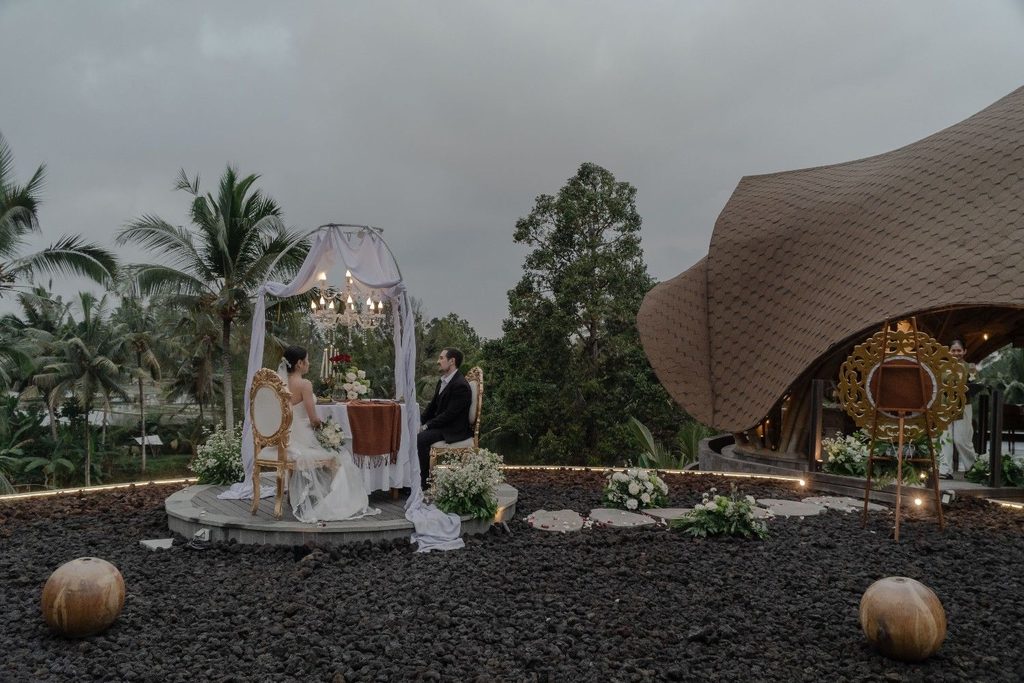
    Since the greenery is the main draw, you will mostly enjoy the view from indoors or the balcony. For reference, see Aksari Resort’s Forest View Suite.

    • Choose a Rice Field View Villa if:

    A rice field view villa suits guests who want an open, bright outlook instead of a shaded, enclosed one. It is a good fit if you are an early riser who wants to see the morning mist over the paddies, or if photography is part of your trip, since the terraced fields and valley add more depth to your shots. 

    It also works well if you plan to spend more time outdoors, whether walking through the fields or having breakfast on the terrace. For reference, a resort in Ubud, Equipoise, suits this experience

    If you do not have a strong preference between a jungle view and a rice field view villa in Bali, a garden view villa is a good middle option. The view is usually landscaped greenery close to the villa, not untouched forest or open fields. It tends to feel calmer and more private than a rice field view, but brighter and less immersive than a jungle view. 

    Choosing the View That Fits Your Stay

     jungle view from room at aksari resort

    The choice between a jungle view vs a rice field view villa in Bali comes down to what you want to see when you open the door each morning. A jungle or forest view suits guests who value a sheltered, shaded space with more privacy. A rice field view suits those who prefer an open outlook, wide skies, and room to breathe.

    If you want the rice field side, the Rice Field View Villa at Equipoise Resort Ubud faces terraced paddies in Kenderan. If you prefer the jungle side, the Forest View Suite at Aksari Resort & Spa Ubud looks over a green valley in Tegallalang. Both are part of the Ini Vie Hospitality portfolio, so you can pick the view that fits your trip.

  • Planning an Intimate Elopement in Bali: A Practical Guide

    Planning an Intimate Elopement in Bali: A Practical Guide

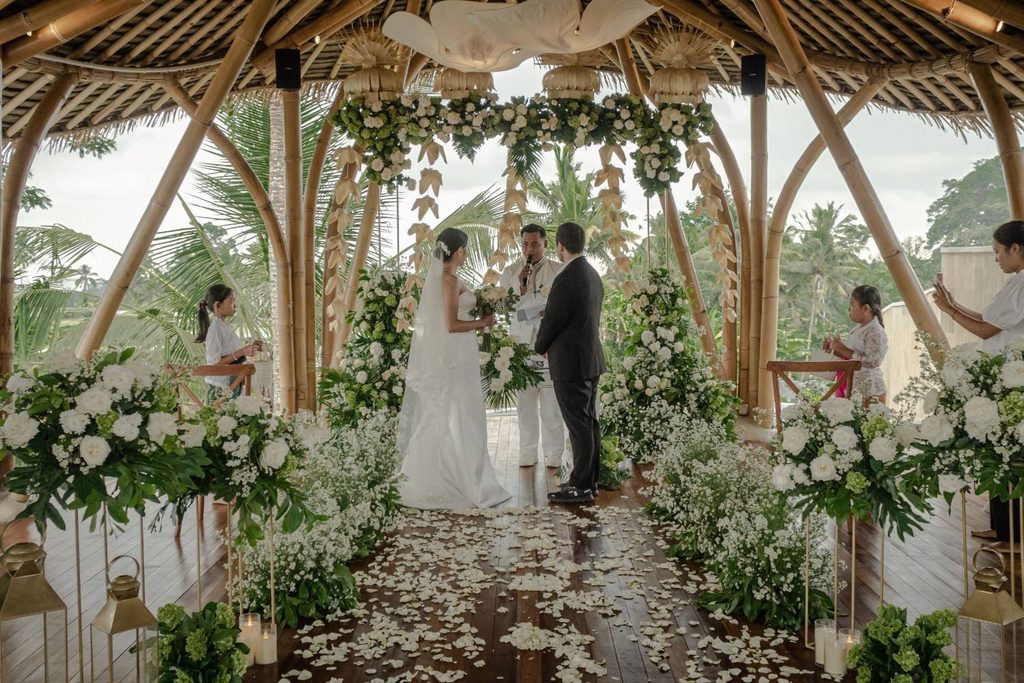
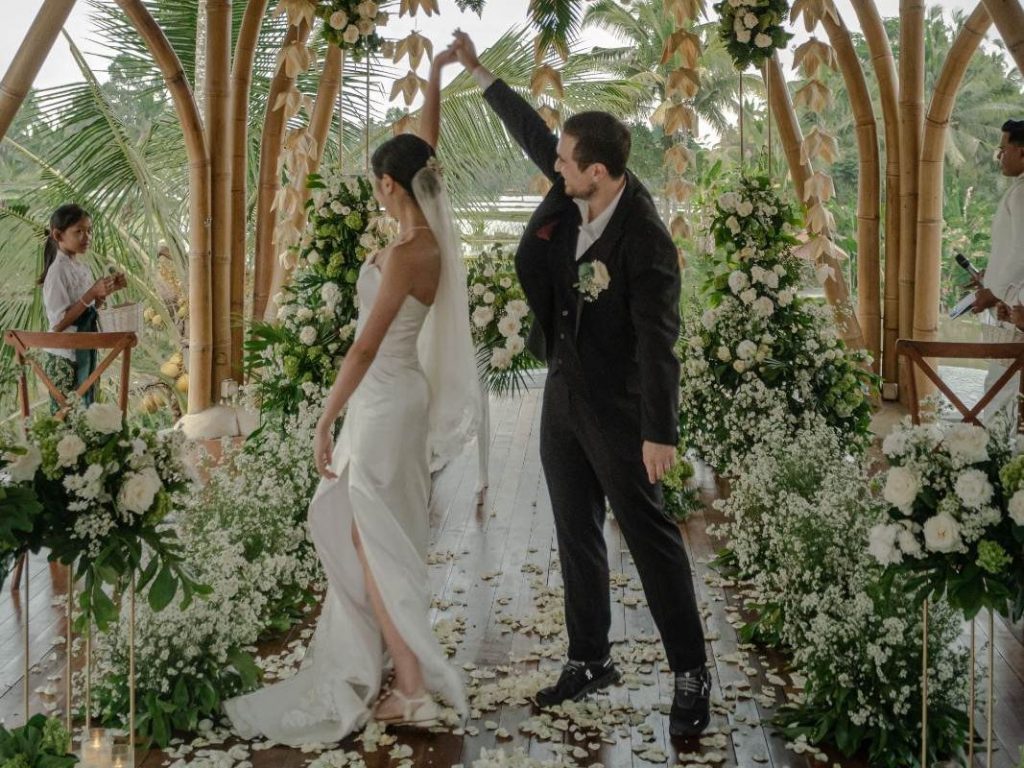
    An elopement means only the couple gets married, sometimes with just a few witnesses and no official guest list. A small or intimate wedding still has a guest list, but the number of guests is limited and the atmosphere is more personal.

    Once you know the difference, this guide breaks down planning an intimate elopement in Bali into simple, sequential steps. Each stage is easy to follow, covering everything from the early planning process to the wedding day itself.

    Elopement vs Intimate Wedding: What’s the Difference

    Elopement vs Intimate Wedding in bali

    An elopement in Bali means the couple exchanges vows privately, with no guest list and no formal reception. Sometimes one or two witnesses join, such as a photographer, a celebrant, or a close friend. The focus is on the couple’s private moment, often kept spontaneous or with minimal preparation.

    An intimate wedding in Bali still has an official guest list, just a small one, usually 10 to 50 people made up of immediate family and close friends. The difference from a large wedding isn’t about formality but scale, since invitations, a program, and time with guests are all still part of the event, just on a smaller scale.

    Couples who mistake an elopement for a small wedding in Bali often get caught off guard when booking a venue, since space, catering, and permit requirements. This section helps you figure out which option fits your wedding vision before moving on to the next planning steps.

    Legal Requirements for Getting Married in Bali

    Planning an Intimate Elopement in Bali

    Marriages in Indonesia are governed by Law No. 1 of 1974 on Marriage (amended by Law No. 16 of 2019). A marriage is only considered valid if it meets both religious and civil requirements at the same time, since Indonesia doesn’t recognize purely civil marriages. 

    Both partners must follow one of the six state-recognized religions: Islam, Catholicism, Protestantism, Hinduism, Buddhism, or Confucianism, for the marriage to be legally registered. 

    In practice, foreign couples can marry legally, but it involves religion-based requirements and extra paperwork. Many hold a symbolic ceremony and register elsewhere while planning a private ceremony in Bali. Verify with the Civil Registry or your embassy 

    Marriage Legality Note for Foreign Couples

    For foreign couples who still want to pursue the legal route, the process involves documents like a Certificate of No Impediment to Marriage from their embassy or consulate, translated birth certificates, and divorce or death certificates if applicable. They’ll also need passports of two witnesses over 20 years old, followed by registration at the local Civil Registry Office. 

    This process takes time and requires official translations, so it usually goes smoothly only with help from a wedding planner or venue experienced with foreign couples.

    Choosing a Location for Your Elopement

    Intimate Elopement in Bali

    Since an elopement only involves the couple and maybe one or two witnesses, the criteria for choosing a location are different from a traditional wedding. Here are three key factors to consider:

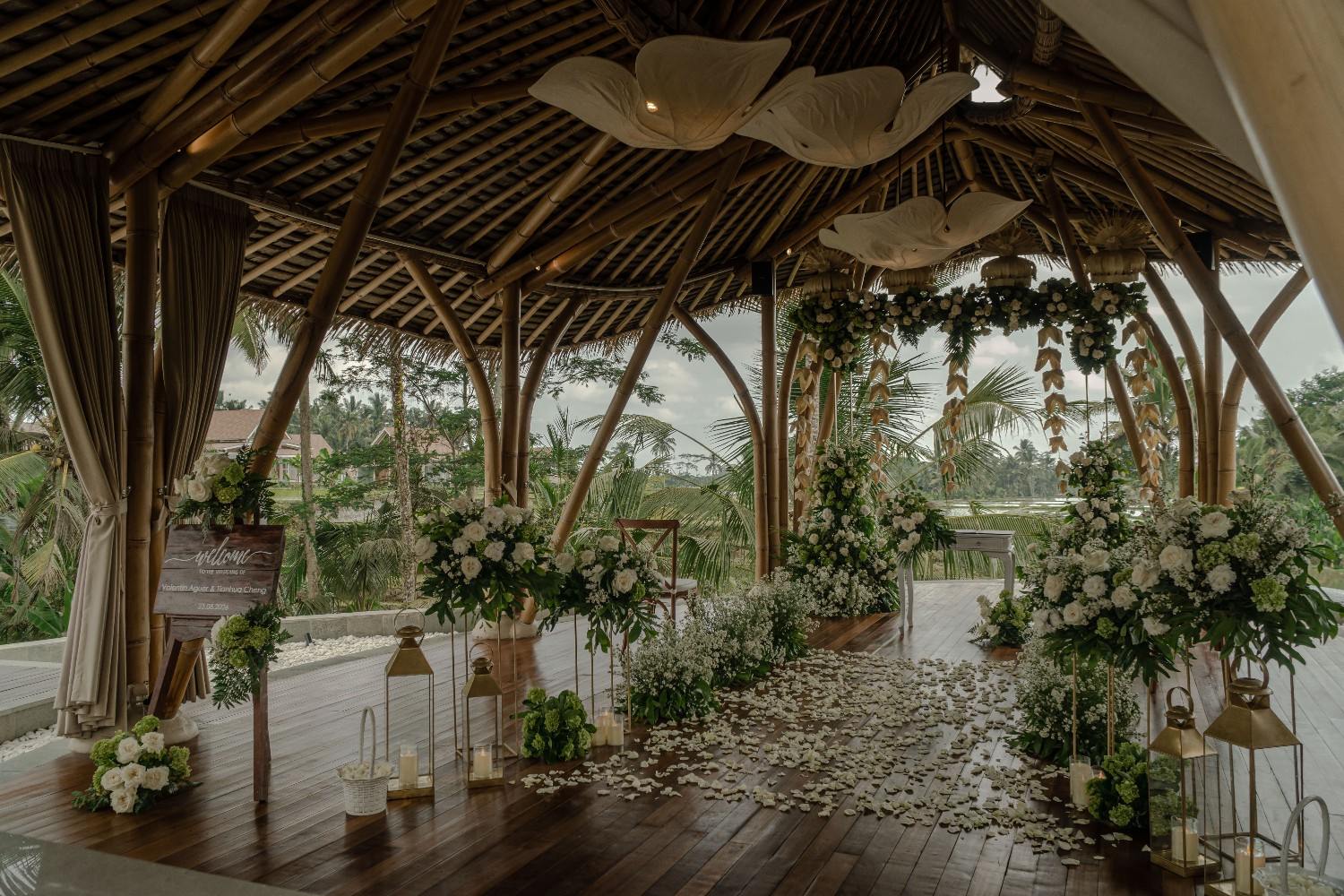
    • Privacy: Look for a wedding venue for your elopement that can be fully closed off to other guests, or choose a secluded spot away from foot traffic, so the moment stays personal and undisturbed.
    • Small capacity: There’s no need for a standard reception venue. A small rooftop, a gazebo overlooking rice fields, or a clifftop nook that fits just a few people is often more affordable and gives you more scheduling flexibility.
    • Scenery: Since elopements rely heavily on photos as the main keepsake (given the minimal decor and guest list), spots like the Uluwatu cliffs, sunset beaches in Canggu or Seminyak, or jungle villas in Ubud are popular choices. The scenery speaks for itself without needing an elaborate setup.

    Look for an elopement package in Bali that includes one of these settings, since the venue does most of the visual work for you.

    What to Book: Celebrant, Photographer, Florist

    Planning an Intimate Elopement in Bali

    Even though an elopement is small in scale, you’ll still need these three core vendors to make sure the day runs smoothly and gets beautifully captured:

    • Celebrant:

    The person who leads the ceremony, whether a relaxed symbolic ceremony or a formal traditional one of a traditional wedding. For international couples, most celebrants in Bali are used to conducting symbolic ceremonies in English, so you just need to discuss the style (casual, traditional, or custom) and which language to use.

    • Photographer: 

    Arguably the most important vendor for an elopement, since the guest list is so limited, photos become the main way to relive and share the moment. Look for elopement photographers in Bali with a portfolio of intimate weddings, not just large-scale ones, since the shooting style is different, focusing more on candid shots, location exploration, and usually a golden hour session.

    • Florist: 

    Even with minimal decor, flowers still shape the mood of your photos, from a small bouquet and a simple arch to scattered petals at the venue. Because the scale is smaller, florists can often be more flexible with custom designs compared to large events.

    It’s best to book these three vendors well ahead of time, especially if you’ve picked a popular spot like the Uluwatu clifftops or a sunset location in Canggu, since slots fill up fast during dry season (April to October). If you’re still exploring intimate wedding ideas in Bali, these vendor picks are a good place to start shaping your overall concept.

    Sample Elopement Timeline for the Day

    Sample Elopement Timeline for the Day

    Since elopements are small in scale and need minimal logistics, the timeline is much simpler than a large wedding. Here’s a general overview:

    • 08:00 – 09:30: Hair & makeup. 

    Preparations start in the morning, usually at a villa or hotel room, giving the couple a quiet moment before the event begins.

    • 10:00 – 10:30: Getting-ready photos. 

    This session captures details like the dress and accessories, plus candid moments of getting ready together. It also works as a warm-up for the main shoot.

    • 11:00 – 11:30: Ceremony. 

    The core event is short, usually 15 to 30 minutes, and led by a celebrant at the chosen location.

    • 11:30 – 13:00: Couple photo session. 

    This takes up the most time on the schedule since photography is a main focus of an elopement in Bali. It often involves exploring different spots around the venue.

    • 13:00 – 14:30: Private lunch / mini celebration. 

    A meal for two at the venue or a small restaurant, sometimes with a simple champagne toast.

    • 16:30 – 18:00: Golden hour session. 

    An extra photo session in the late afternoon light, often producing favorite shots thanks to the dramatic atmosphere.

    This timeline is flexible and can be shortened to half a day if the couple skips the separate golden hour session. In the end, a small wedding in Bali like this is meant to be free from the rigid scheduling that comes with large weddings.

    Making Your Elopement Feel Intentional

    Making Your Elopement Feel Intentional in Bali

    At the end of the day, planning an intimate elopement in Bali comes down to what matters most to you as a couple: a private, personal moment versus a full celebration with more guests and options. Once you’re clear on that, the rest, from location to vendors to timeline, falls into place much more easily.

    If you’re leaning toward a small, luxury setting for your ceremony, Equipoise Resort Ubud is worth a look, offering the kind of intimate, scenic backdrop that suits this style of wedding.

  • Small Luxury Hotel vs 5-Star Resort: Which Fits Your Trip

    Small Luxury Hotel vs 5-Star Resort: Which Fits Your Trip

    A “5-star” rating is about service standards and the quality of the experience, not the size of the building. That’s why a small luxury hotel can match the comfort and quality of a large 5-star resort, even though the overall stay feels quite different.

    This difference in scale affects everything from privacy and flexibility of amenities to the overall rhythm of your stay. This guide compares a small luxury hotel vs a 5-star resort across a few practical factors, so you can decide which one suits your trip best.
    What Defines a Small Luxury Hotel

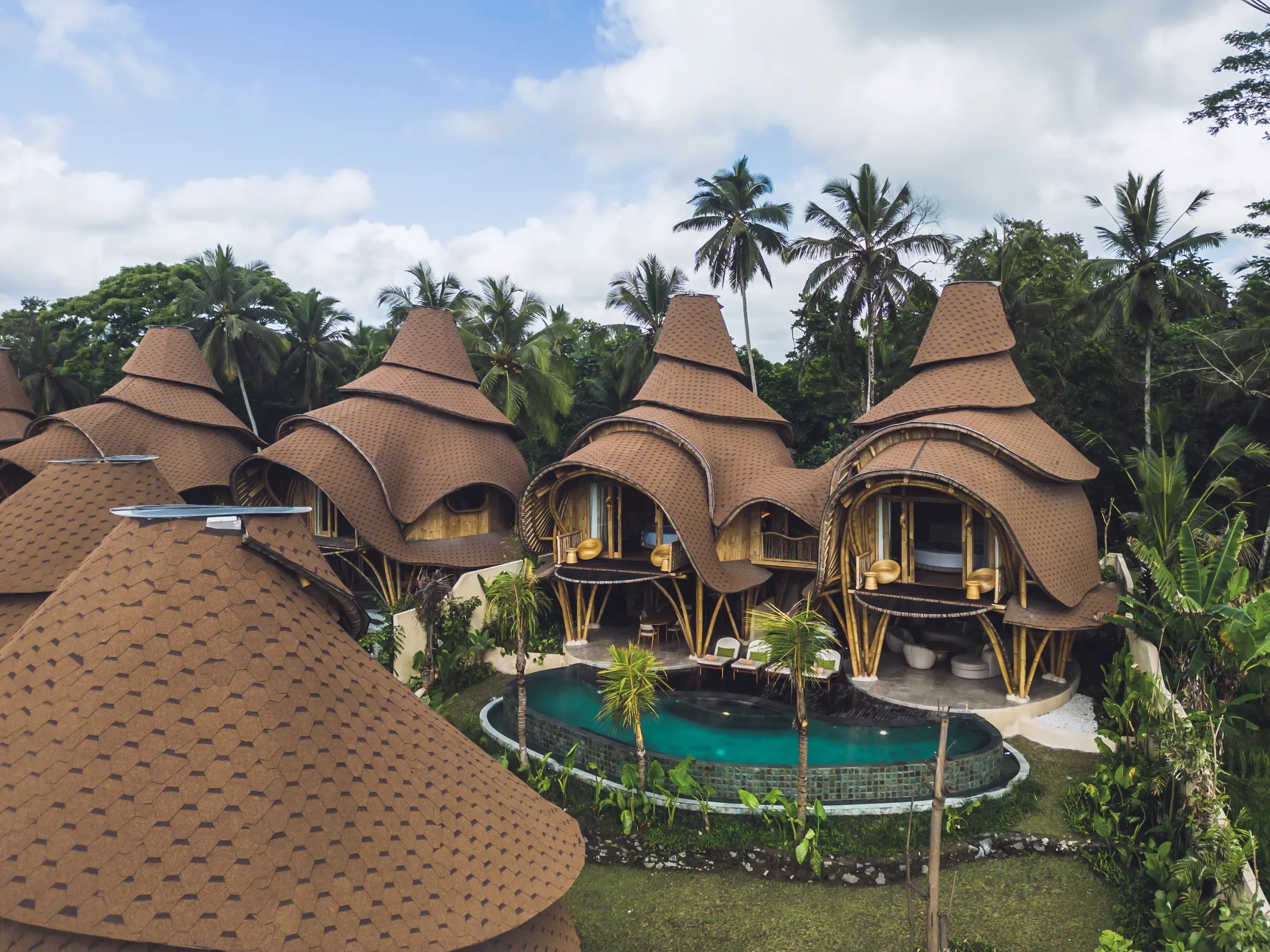
    A small luxury hotel in Bali is an exclusive, low-capacity property, usually under 50 rooms, that combines 5-star service with privacy and flexibility. It’s a category that puts personal experience first, rather than the size of the facilities you’d expect from a big resort.
    Here’s what makes a small luxury hotel in Bali stand out compared to a 5-star resort in Bali:

    • Personalized service. A higher staff-to-guest ratio means service can be tailored closely to each guest’s pace and preferences.
    • Privacy and a quiet atmosphere. With fewer rooms, the property feels calmer and less crowded, giving guests more privacy.
    • Distinct character and design. The architecture often has a unique look that blends naturally with the surrounding landscape or local culture.
    • Flexible service. Dining times, spa treatments, and daily activities can be adjusted more freely, without the fixed schedules common at larger hotels.

    Small Luxury Hotel vs 5-Star Resort Side by Side

    Service and Attention

    The staff-to-guest ratio is the clearest way to compare an intimate hotel vs a large resort. Small luxury hotels with fewer rooms usually keep a ratio of about three to four staff per guest, much higher than what large hotels offer. Large 5-star resorts typically run at a ratio of around two staff per guest, though some premium resorts go beyond that.

    Facilities and Activities

    Large resorts win on scale and variety. They usually have multiple pools, several dining options (often three to six or more), spas with many treatment rooms, and a full daily activity schedule. An intimate hotel like a boutique resort, on the other hand, tends to keep things simple with just one or two restaurants or bars and a single spa concept, but each one is more carefully curated and detailed.

    Atmosphere and Privacy

    Because of the higher staff-to-guest ratio and lower room count, guests at a small luxury hotel are more likely to be recognized personally, something that’s harder to achieve at a large property with more guests and staff turnover. Large resorts tend to feel livelier and more social, with privacy naturally decreasing as the property gets bigger.

    AspectSmall Luxury Hotel5-Star Resort
    Staff-to-guest ratio3-4 staff per guest1-2 staff per guest
    Number of restaurants/bars1-23-6+
    Privacy levelHighModerate-low, depends on occupancy

    Which One Fits Your Trip

    Choosing between a small luxury hotel vs a 5-star resort really depends on your trip’s purpose, who you’re traveling with, and the kind of experience you want.

    Choose a Small Luxury Hotel If:

    • Honeymoon or couples retreat. You want privacy, a quiet setting away from crowds, and a romantic, intimate atmosphere.
    • You want personalized service. You value flexibility, from dining times to daily activities that fit your own pace.
    • You appreciate slow luxury. You want to relax and recharge in a private setting that feels connected to nature.

    Choose a 5-Star Resort If:

    • Family vacation or group trip. You need a range of facilities in one place to suit different ages and interests.
    • You want plenty of activities. You like having full on-site amenities such as kids’ clubs, multiple dining options, sports facilities, and large recreational spaces.
    • You enjoy a lively atmosphere. You prefer grand, social luxury with a variety of entertainment in the public areas.

    Matching the Hotel Format to Your Trip

    In the end, the small luxury hotel vs 5-star resort choice comes down to one simple question: do you want personal attention or a wider range of facilities? A small luxury hotel gives you privacy, tailored service, and a slower pace, while a 5-star resort offers more variety and a livelier atmosphere for bigger groups.

    If a small luxury hotel sounds like the right fit for your next trip, Equipoise Resort Ubud offers that same level of privacy and personalized service. Nestled in the heart of Ubud’s jungle, it’s designed for travelers who want an intimate, restorative escape.

    FAQs

    Is a small luxury hotel more expensive than a big resort?

    Not necessarily. Prices are usually comparable. Small luxury hotels charge for privacy and personalized service, while large resorts charge for their extensive facilities and grounds.

    What counts as a “small” luxury hotel?

    It’s a property with limited capacity, usually under 50 to 100 rooms, that focuses on intimate service and a high staff-to-guest ratio.

    Do small luxury hotels have fewer amenities?

    Yes, in terms of quantity, but not quality. The amenities are more curated, for example, one high-quality private restaurant instead of five large ones at a resort.

    Which is better for a honeymoon: a small hotel or a big resort?

    A small luxury hotel is generally the better choice. It offers more privacy, a quiet atmosphere, and full flexibility without the crowds.

    Do small luxury hotels have restaurants and spas?

    Yes. They still offer fine-dining restaurants and spa facilities, just with limited capacity designed for the comfort of in-house guests.

    Is service better at a small hotel or a big resort?

    It depends on your needs. Small hotels offer service that’s more personal, flexible, and attentive, while large resorts offer service that’s structured, efficient, and more formal.

  • Luxury Wellness in Bali: What Sets It Apart

    Luxury Wellness in Bali: What Sets It Apart

    Luxury wellness can mean very different things depending on the resort. For some places, it’s just an appealing spa menu. For others, it’s wellness woven into real cultural practices. Many venues focus only on how things look, without giving guests a real physical and mental reset.

    This guide covers the key things to look for when judging the quality of a luxury wellness program. We also share a real example of a resort that puts these standards into practice.

    What Makes Wellness “Luxury” in Bali

     Wellness "Luxury" in Bali

    Luxury wellness in Bali isn’t just about five-star facilities or fancy interiors. What really sets it apart is the level of personalization, how authentic the traditions are, and how deep the approach to your well-being goes.

    • Authentic Traditional Healing: Sessions with well-known local practitioners or Balian (traditional Balinese healers) who practice Usada Bali, not just regular spa therapists.
    • Personalized Programs: Every session is built around the guest’s own health profile, based on in-depth consultations covering nutrition, physical therapy, and mental well-being.
    • Nature and Architecture Working Together: Secluded, private locations, like a resort in Ubud tucked deep in the jungle or a hotel in Uluwatu perched on the cliffs, designed to bring out natural calm.
    • World-Class Practitioners: Local holistic healers working alongside international medical or wellness experts, such as Ayurveda practitioners, yoga masters, or naturopaths.
    • Modern Medical and Holistic Facilities: Advanced recovery treatments like cryotherapy, IV drip therapy, and biosystemic analysis, combined with local spiritual rituals, are the kind of detail that separates a genuine wellness retreat in Bali that visitors remember.

    Traditional Healing Meets Modern Spa Design

    Balinese spiritual healing

    Balinese spiritual healing traditions combined with modern spa design create a wellness experience that goes beyond pampering the body. This blend is what makes holistic healing in Bali stand out from a typical spa day.

    Wariga and Personalized Rituals

    Wariga is an ancient Balinese calendar system that reads a person’s spiritual energy based on their birth date. Luxury wellness spas use Wariga readings as the starting point for building a fully personalized ritual.

    • Auspicious days: Treatments and self-purification rituals (Melukat) are scheduled around days believed to bring the best healing results.
    • Usada herbal blends: Natural, locally sourced ingredients are mixed to match each guest’s physical condition and energy type.
    • One-on-one healing: Direct sessions with a Balian (traditional healer) to realign mind, body, and soul.

    International Standards Layered on Local Practice

    To keep things safe and comfortable for guests from anywhere, these local practices are paired with international medical and hygiene standards.

    • Strict hygiene standards: Traditional herbal ingredients are prepared and stored to meet high sterility and safety requirements.
    • Certified practitioners: Local therapists are trained in modern anatomy while still keeping traditional massage techniques intact.
    • Purpose-built spaces: Treatment rooms are designed with ergonomic layouts, temperature control, natural lighting, and acoustics, built for a genuinely calming spa ritual in Bali.

    A Concrete Example: Hammana Spa at Equipoise

    wariga reading

    Hammana Spa at Equipoise is a clear example of what integrated luxury wellness looks like in practice, blending Balinese tradition with world-class facilities.

    1. Wariga-Based Energy Reading

    Every guest experience starts with a reading based on Wariga, an ancient Balinese astrological calendar, to map out the guest’s energy blueprint, or “Balinese Life Path.” This reading shapes the entire treatment, from which herbal ingredients are used to which massage techniques fit best.

    1. Bespoke Herbal Formulations

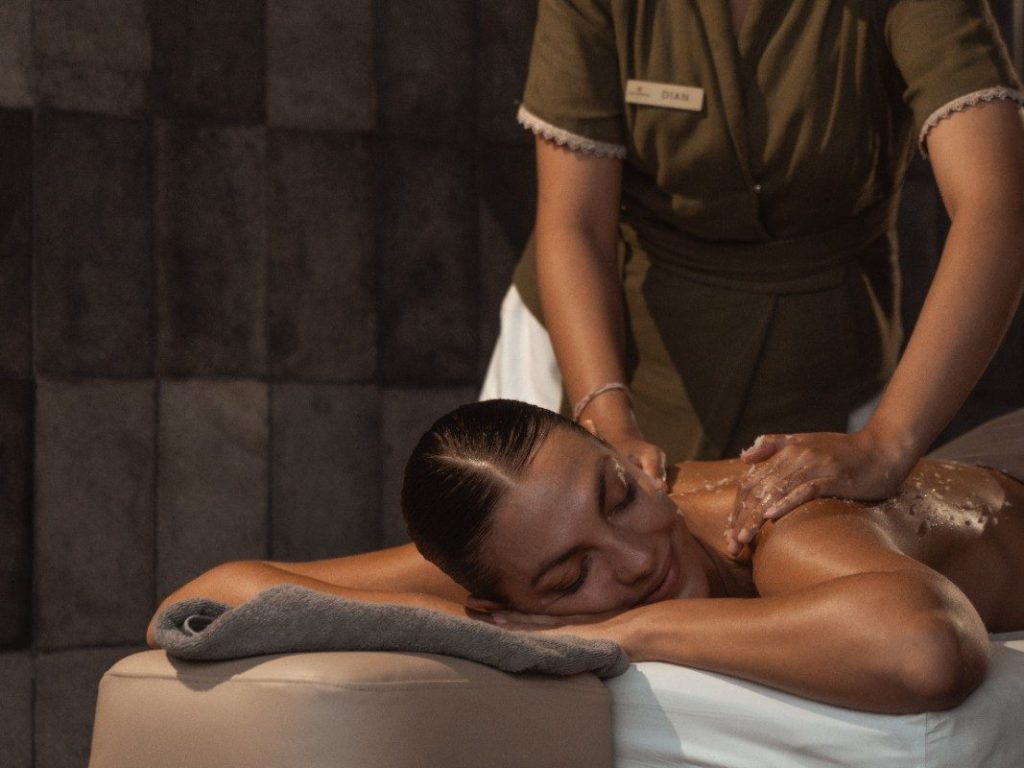
    Based on that energy reading, therapists blend aromatherapy oils and fresh herbal scrubs using local, organic ingredients (Usada Bali). Each formula is built to match the guest’s physical and emotional state.

    1. Architecture and Secluded Setting

    Hammana Spa’s facilities are designed to blend into Equipoise’s natural surroundings, giving guests full privacy and quiet. Natural stone, local wood, and water features add to the sense of calm throughout the session, part of what makes this boutique resort in Ubud feel distinct from a standard hotel spa.

    1. International-Standard Execution

    While rooted in local Balinese practice, everything at Hammana Spa in Ubud runs on international standards for hygiene, comfort, and professionalism. It’s this mix that keeps the treatments safe and consistent without losing their spiritual roots, the same balance that defines wellness in Ubud at its best.

    Recognizing Real Luxury Wellness

    impressive luxury treatment wellness

    Real luxury wellness isn’t about a beautiful setting or an impressive treatment menu alone. It shows up in how deeply local tradition and personal care are woven into the experience, not just how the space looks.

    If you want to see this in action, Hammana Spa at Equipoise Resort Ubud is a good place to start. It brings together Wariga-based rituals, personalized formulations, and international standards in one genuinely restorative session.

  • What a Bespoke Resort Experience in Bali Actually Includes

    What a Bespoke Resort Experience in Bali Actually Includes

    “Bespoke” is one of the most overused words in Bali resort marketing today. Knowing the difference between a genuine bespoke resort experience in Bali and ordinary add-ons dressed up as exclusive services matters more than most guests realize.

    This guide breaks down the signs that point to real personalization versus surface-level extras. A concrete example is included to make the distinction easier to spot.

    What “Bespoke” Actually Means at a Resort

    Equipoise: luxury resort

    In the luxury resort industry, “bespoke” means an experience built entirely from scratch around what each guest actually wants, not a choice from a fixed list of packages.

    The term comes from bespoke tailoring, where a suit is made specifically for one person. Applied to hospitality, a personalized resort experience in Bali means the whole stay, from pace to activities to preferences, is shaped around that individual guest.

    Key differences from standard luxury resorts:

    • Standard luxury resorts offer a set menu of amenities and packages. Guests choose from options, tour schedules, or activities that resort management has already put together.
    • Bespoke resorts start from a blank canvas. There are no rigid packages. Every service, schedule, and activity is built around the guest’s own pace, which is what makes a tailored itinerary that Bali visitors won’t find on a standard rate sheet.

    Signs a Resort’s Personalization Is Real

    Authentic bespoke or personalized services can be identified by several key indicators:

    Personalization Based on Individual Input

    • Meaningful Information Gathering: The resort collects guest preferences prior to arrival, such as allergies, lighting and pillow choices, or favorite music, and genuinely implements them in the room without needing a reminder.
    • Interactions Free from Rigid Patterns: Staff interact naturally based on the guest’s profile, rather than reciting a memorized script to every visitor.
    • Tailored Details: Culinary adjustments, room amenities, and welcome gestures are customized to the guest’s specific needs, going beyond the standard welcome fruit platter.

    Flexible, Not Fixed, Itineraries

    • No Operational Hour Constraints: Breakfast times, spa treatments, and outdoor activities can be adjusted at any time to suit the guest’s sleep patterns and mood.
    • Seamless Plan Changes: Guests can spontaneously cancel or alter their daily agenda without navigating convoluted procedures.
    • Unique, Moment-Driven Experiences: Activities are curated based on the guest’s daily flow, rather than group tour schedules or fixed packages.

    A Concrete Example: Wariga-Based Spa Rituals at Equipoise

    treatments at Equipoise Resort Ubud, based on the traditional Balinese Wariga calendar, are a clear example of real personalization

    Rooted in a custom spa ritual concept, the treatments at Equipoise Resort Ubud, based on the traditional Balinese Wariga calendar, are a clear example of real personalization. Instead of picking from a standard treatment menu, guests receive a ritual curated around their physical condition and energy that day, which is part of what makes this a genuine luxury experience in Ubud.

    • Birth Day Analysis (Wewaran): 

    Therapists read the guest’s elemental nature based on their birth day in the Wariga calendar. This determines the Elemental Alignment blend of oils, herbs, and massage technique the body needs at that moment.

    • Daily Energy Alignment: 

    The timing and type of treatment follow the day’s condition, whether the focus is healing (usada), mental cleansing (lukat), or building physical energy. This approach sits at the core of the wellness program at Equipoise Resort.

    • A Unique, Unrepeatable Experience: 

    Different guests, or even the same guest on different days, receive different herbal blends, massage rhythms, and meditation practices, all shaped by that day’s energy reading.

    How to Ask for a More Personalized Stay

    equipoise resort one of bespoke accommodation in ubud

    To get truly bespoke service, active and specific communication matters, both before and during your stay:

    • Contact the Pre-Arrival Team Beforehand: 

    Send an email or fill out a preference form a few days before check-in. Share your habits, the reason for your visit (vacation, honeymoon, or wellness retreat), and small details like preferred pillow type, room temperature, or lighting.

    • Communicate Dietary Needs and Culinary Preferences Early: 

    Do not just mention allergies. Describe your favorite foods, dietary style (clean eating, plant-based, etc.), or ingredients you dislike so the culinary team can create custom dishes for you.

    • Request Direct Communication Channels: 

    Ask for the contact details of your butler, concierge, or the Resort Manager, for example via WhatsApp, so you can request assistance, adjust plans, or place orders flexibly without going through the general reception desk. This kind of direct access is one of the small things that sets a boutique resort apart from larger properties.

    • Focus on the Outcome You Want, Not Standard Activities: 

    Instead of simply booking a “60-minute massage,” explain your condition or goal, such as, “I’m exhausted from jet lag and want a treatment that relieves tension in my neck.” Let the expert team work out the right solution.

    • Don’t Hesitate to Change Plans Spontaneously: 

    Personalized service centers on your comfort. If you want to shift your breakfast time, move dinner to a private location, or skip an activity to rest instead, just tell the resort team directly.

    Looking for Genuine Personalization

    genuine bespoke resort experience in Bali always comes down to one thing: guest input that actually shapes the stay, not just polished language on a brochure.

    A genuine bespoke resort experience in Bali always comes down to one thing: guest input that actually shapes the stay, not just polished language on a brochure. From the small preferences noted before arrival to the flexible, moment-by-moment itinerary during the stay, real personalization shows up in what changes for you, not in what’s promised to everyone.

    If you want to experience this kind of bespoke travel in Bali firsthand, book a Wariga reading at Hammana Spa, Equipoise Resort, and see how a treatment built entirely around your own energy and condition compares to a standard spa menu.